-
-
Sort through our administrative resume examples to see what works best for you.
-
Our sales resume examples can help you write the best possible resume.
-
Explore our food service resume examples to show your skills effectively.
-
Start crafting your job-winning resume with our teaching resume examples.
-
-
-
Use our administrative cover letter examples for ideas on writing your own.
-
Use our sales cover letter examples to effectively show your sales accumen.
-
Write your job-winning cover letter following our nursing cover letter examples.
-
Learn to tell your story in education using our teaching cover letter examples.
-





- Our customers have been hired by*


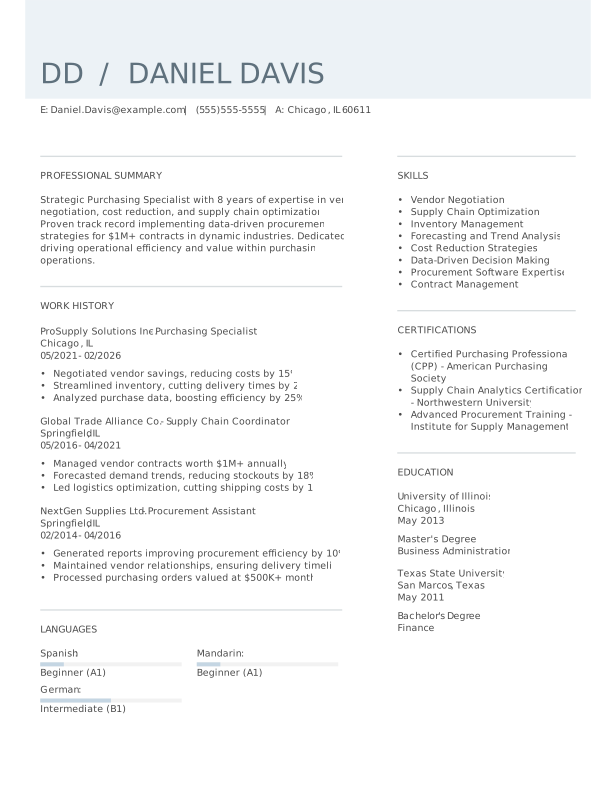
Entry-Level Purchasing Resume
This resume example highlights key achievements and skills, making it ideal for recent graduates and career changers looking to make an impact in the purchasing field.

Why this resume works:
A skills-focused resume format is beneficial for professionals entering purchasing, returning to the field, or changing careers. It allows job seekers to showcase essential skills such as vendor negotiation and inventory optimization rather than concentrating on work experience gaps. Highlighting these competencies can effectively demonstrate their readiness for roles in this dynamic field.

Mid-Career Purchasing Resume
This purchasing resume example is perfect for professionals with experience in procurement and supply chain management who are eager to advance their careers through demonstrated cost-saving achievements and strong vendor relationships.
Why this resume works:
This applicant highlights a track record of improving outcomes across multiple settings.

Experienced Purchasing Resume
This purchasing resume example is perfect for experienced professionals eager to advance into senior leadership roles within the procurement field.
Why this resume works:
Leadership roles and advanced certifications underscore the ability to manage complex scenarios.

Looking for something else?
Create Your Standout Resume Today
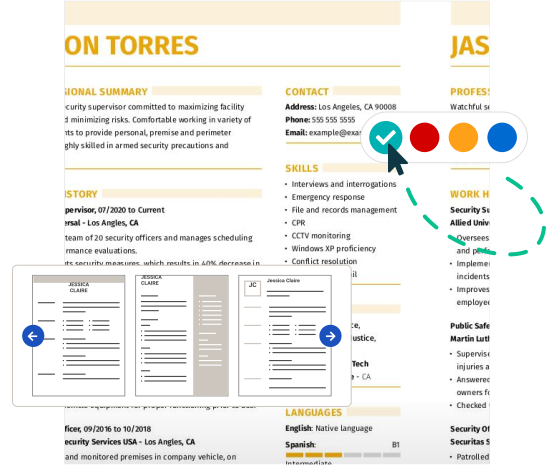
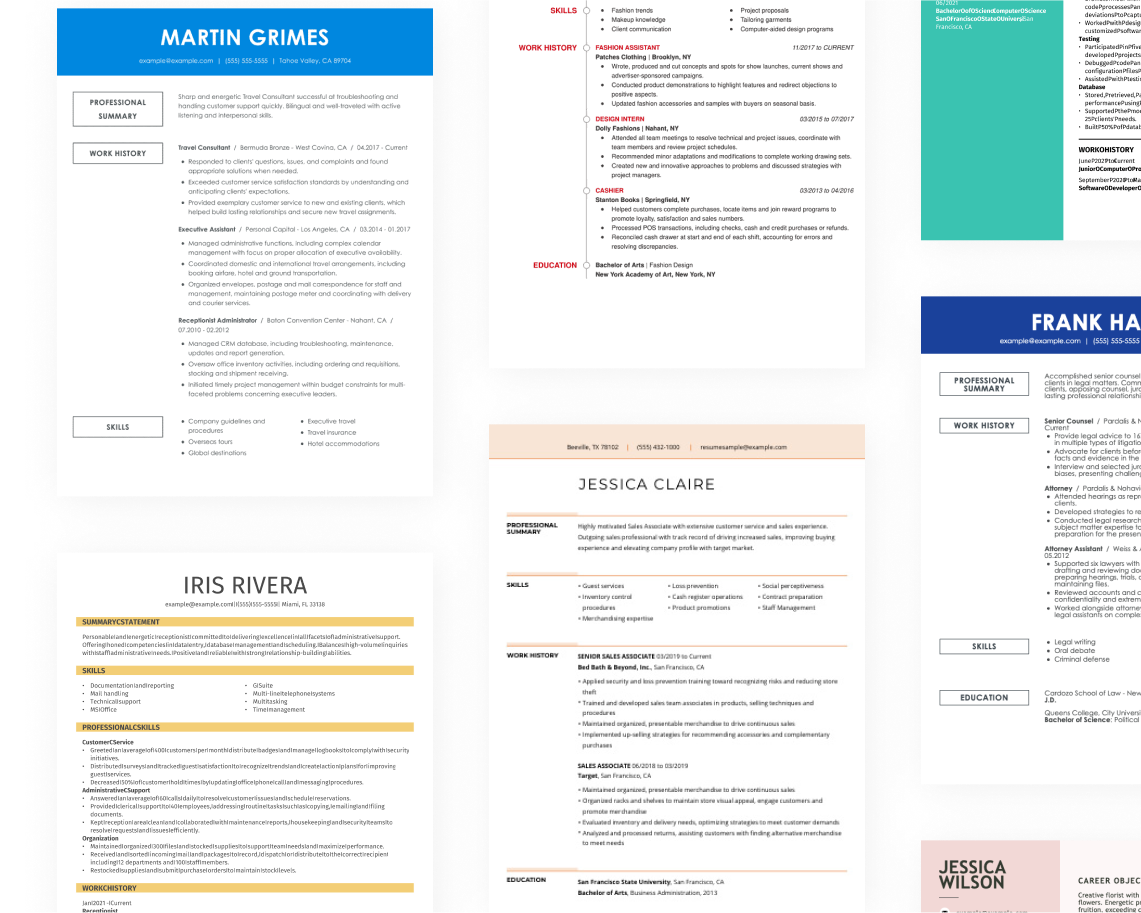
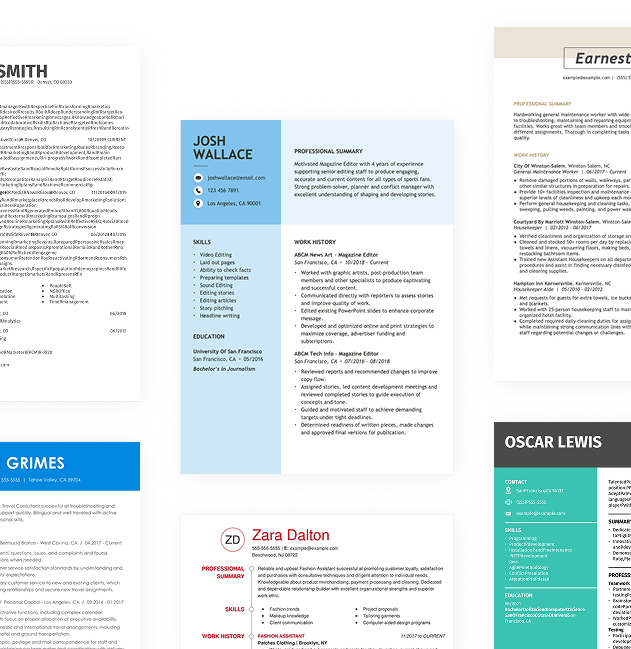
Use our resume examples for inspiration on organization, color, and design—and learn how to effectively summarize your purchasing skills and experience with confidence.
How to Write a Purchasing Resume
Understanding how to write a resume is essential for showcasing your unique value in purchasing, as it goes beyond listing your credentials and highlights what sets you apart. In the following sections, you will find detailed guidance on crafting your resume, covering each element from contact information to relevant experience. You'll also discover valuable resume tips that can help you create a compelling and professional document that stands out.
Start with your contact info
The header section contains all your contact information and should be prominently displayed at the top of your resume. Begin with your name in a bold, larger font to ensure it captures immediate attention. A clean layout will improve readability, making it easy for recruiters to quickly identify who you're.
Include key details such as your email address, phone number, and location. While a full address isn't necessary, specifying your city, state, and ZIP code helps confirm your eligibility for the role and aids applicant tracking systems (ATS) in processing your application efficiently.
You may also consider adding links to relevant certifications or an online portfolio if these elements reflect your expertise in purchasing effectively. These additions can provide further insight into your skills and professional background, helping you stand out among other job seekers by showcasing your qualifications and commitment to the field.
Write a strong professional summary
A professional summary is your opportunity to make a strong first impression on potential employers. It appears at the top of your resume, right after your contact information, and serves as an introduction to who you're as a job seeker.
In this section, include key qualifications, relevant skills, and your enthusiasm for the purchasing role. Tailoring your summary to fit the specific job description showcases how you align with the employer's needs.
To help you craft a compelling summary, consider reviewing resume summary examples tailored for purchasing professionals. These can provide insight into effective organization and content that resonates with hiring managers.
Strong vs weak purchasing summary
Strong

"Results-driven purchasing professional with over seven years of experience in strategic sourcing and procurement. Demonstrated expertise in negotiating contracts that have reduced costs by up to 20% while improving supplier performance. Proficient in supply chain management, vendor relations, and market analysis with a strong commitment to optimizing operational efficiency. Certified Supply Chain Professional (CSCP) and recognized for implementing innovative purchasing strategies."
Why this example works: This summary effectively outlines the applicant’s experience, highlights measurable accomplishments such as cost reductions, emphasizes relevant skills like strategic sourcing, and uses industry-specific keywords that align with purchasing job descriptions.
Weak

"Purchasing professional seeking a position where I can apply my knowledge and help the company. I have some experience in procurement and like working with others."
Why this example doesn't work: This summary is weak because it uses vague language and fails to highlight specific skills, measurable accomplishments, or relevant experience in the purchasing field.

Craft a personal mission statement that reflects your purchasing expertise, showing how it supports the organization's goals. This alignment showcases your commitment to optimizing resources and demonstrates added value by improving efficiency and fostering strong supplier relationships.
Share your work history
Your work history is, arguably, the central and most important part of your resume. List your most recent roles in reverse chronological order. If you’ve held numerous positions, select the ones most relevant to the job you’re applying for.
When listing your work history, focus on:
- Job title and company name
- Dates of employment (month and year)
- Key responsibilities (What did you do on a daily basis?)
- Achievements and contributions (What did you accomplish? Did you improve processes, reduce costs, or increase efficiency?)
- Measurable results (Use numbers when possible, such as "reduced costs by 10%.")
Finally, when describing your achievements, use action verbs to make your work history come alive.
Strong vs weak purchasing work history
Strong
Purchasing Manager, Global Tech Solutions
2018–2023
- Negotiated contracts that resulted in a 15% reduction in procurement costs annually.
- Implemented a new inventory management system, decreasing stock discrepancies by 40%.
- Led a team of five buyers, fostering professional development and achieving full certification for each within one year.
Why this example works: A strong work history is important as it highlights specific achievements and quantifiable results. By detailing responsibilities with numbers and outcomes, you demonstrate your expertise in purchasing processes and leadership capabilities.
Weak
Purchasing Agent
Supply Co.
- Managed orders and handled supplier communications.
- Reviewed inventory levels.
Why this example doesn't work: This entry is weak as it lacks specifics about the types of goods purchased or any measurable accomplishments. The tasks are too vague, which does not highlight the job seeker's skills in negotiations or cost-saving strategies.
Improving your visibility in the purchasing field is achievable when you add your resume to LinkedIn. Incorporate industry-specific keywords and showcase your negotiation skills in your profile summary. Engage with procurement-related content and connect with professionals to build a network that attracts recruiters seeking top talent in purchasing.
Highlight your key skills
The skills section of your resume is essential for demonstrating your strengths in purchasing. Here's a rundown of various skills and their significance in improving your appeal to potential employers:
- Soft skills are personal attributes that highlight how you collaborate with others, including negotiation, adaptability, and analytical thinking. In purchasing, skills like relationship building and effective communication play a key role as they help secure favorable deals and foster strong vendor partnerships, ultimately benefiting the organization.
- Hard skills are specific technical abilities acquired through training, education, or hands-on experience. For purchasing professionals, examples include supplier negotiation, inventory management, data analysis, and cost forecasting.
- Technical skills in purchasing require familiarity with specific software, systems, or technologies. Key examples include procurement platforms like SAP Ariba, inventory management systems such as Oracle NetSuite, and e-sourcing tools like Coupa. For more information on technical abilities, explore technical skills further.
For those new to purchasing, place your skills section near the top of your resume to highlight your relevant abilities despite limited experience. If you have significant work history, position this section after detailing your professional roles to showcase how your experience reflects those skills.
Top 15 skills for your purchasing resume
When crafting a resume in purchasing, it's best to highlight skills that resonate with employers. Focus on mixing industry-specific skills with transferable skills that demonstrate your adaptability across different roles. This approach not only showcases your expertise but also your readiness to tackle diverse challenges.
Below is a list of the top 15 skills for purchasing professionals, curated from popular selections by JobHero users. These include negotiation, vendor management, and strategic sourcing among others, all designed to strengthen your resume's impact.
Build your education section
The education section's significance varies by experience level and industry. For seasoned purchasing professionals, it's often more beneficial to emphasize work history and achievements. If your career demonstrates a track record of successful negotiations or cost-saving initiatives, consider placing the education section at the bottom or omitting it altogether.
Conversely, for recent graduates or those transitioning into specialized purchasing roles, education may be a key differentiator. In this case, position your educational background prominently at the top of your resume. Include relevant coursework, internships, and any certifications that align with purchasing practices.
When entering niche areas within purchasing, such as procurement analytics or supply chain management, highlighting specific degrees and training can help establish credibility. Tailor your resume to showcase how your educational experiences complement your skills in these domains.
20 action verbs to add to your resume
Using action verbs in your purchasing resume significantly improves its impact by showcasing your responsibilities and achievements clearly. This approach communicates your experience with a dynamic tone that engages potential employers.
When selecting action verbs, choose ones relevant to the purchasing field and align them with key skills highlighted in job postings. This targeted language can noticeably strengthen your application.
- Acquired
- Analyzed
- Budgeted
- Centralized
- Contracted
- Facilitated
- Forecasted
- Negotiated
- Organized
- Planned
- Procured
- Reviewed
- Secured
- Sourced
- Streamlined
- Supervised
- Trained
- Validated
- Verified
- Won
Consider additional resume sections
While your core resume provides the most critical information, adding targeted sections can showcase your unique qualifications. These sections help hiring managers quickly identify your skills in purchasing and achievements beyond standard resume sections.
Here are optional sections we tend to see on purchasing resumes:
- Vendor relationships: Highlight key partnerships with suppliers and any negotiation successes that demonstrate effective relationship management.
- Cost-saving initiatives: Detail specific projects or strategies you've implemented that resulted in significant cost reductions for the organization.
- Market analysis: Describe your experience conducting market research or competitive analysis to inform purchasing decisions.
- Inventory management: Explain methods you've used to optimize inventory levels, reduce waste, or improve turnover rates.
- Certifications and training: List relevant certifications such as Certified Purchasing Professional (CPP) or any specialized training in procurement practices.
5 Tips for Formatting Your Resume
For job seekers, a well-formatted resume is essential to attract recruiters and navigate through ATS filters. By using ATS-friendly resume templates, you can ensure your qualifications are presented clearly and compellingly, improving both readability and the likelihood of advancing in the hiring process.
1. Watch your line spacing and margins
Proper spacing helps your resume look clean and organized, making it easier for hiring managers to read. Well-structured spacing not only improves visual appeal but also emphasizes key information. Here's what works best:
- Keep margins between 0.5″ to 1.0″ for a balanced look.
- Use single spacing between paragraphs and bullet points for clarity.
- Increase the space to 1.5″ or double-space between sections to define different parts of your resume.
2. Use a professional font
Choosing the right resume font is important because it impacts both readability and professionalism. Consider these recommended fonts:
- Helvetica
- Garamond
- Verdana
- Tahoma
- Courier New
- Book Antiqua
Consider using a bold or slightly different font for your name at the top of your resume to create a striking first impression.
3. Organize your resume sections
A resume should be clear and easy to navigate. Use bullet points to present your purchasing experience in a structured format, beginning each point with a strong action verb to show your key responsibilities and achievements. For example, "Negotiated supplier contracts that resulted in a 15% cost reduction."
Highlight measurable accomplishments, like "Streamlined inventory processes leading to a 30% decrease in stock discrepancies." This approach improves readability while showcasing your contributions clearly.
To ensure compatibility with applicant tracking systems, use an ATS resume checker. This tool will verify that your formatting aligns with industry standards and that you're incorporating the right keywords for purchasing roles.
4. Use colors and design
Incorporating color and design elements into your resume can elevate its appeal and help you make a memorable impression in the purchasing field. A well-structured resume not only showcases your qualifications but also reflects your professional identity.
Begin by selecting an appropriate template that suits your organizational style. The combination resume format is particularly beneficial, as it highlights both skills and work history prominently, making it easier for employers to assess your fit for the role.
Next, choose a color scheme that conveys professionalism. Opt for colors like deep blue or forest green, which maintain readability while adding visual interest. These colors work well in headers or section separators.
Be mindful of using overly bright colors that may distract from the content. Avoid hues that could evoke negative associations or resemble competitors' branding. Instead, focus on subtle tones that improve clarity and guide the reader's eye through your accomplishments.
Using thoughtful design choices will help showcase your attention to detail and commitment to presenting yourself as a strong job seeker in the purchasing industry.
In the purchasing field, creativity can play a vital role in how you present your experience and skills. A well-designed resume can reflect your strategic thinking and attention to detail. Incorporating elements like a unique layout or custom sections can help your application stand out while still looking polished.
For instance, using clean lines and a professional color scheme can convey reliability, which is essential in purchasing roles. If you’re applying to a dynamic startup, consider adding subtle design accents that showcase innovation. Conversely, established corporations may prefer a more traditional format that emphasizes clarity and professionalism.
Ultimately, align your design choices with the company culture to make the best impression.
5. Keep your resume length to 1-2 pages
Resumes need to be sharp, engaging, and easy to digest. Typically, keeping your resume to one page is ideal because recruiters spend only a few seconds on each one. Focus on showcasing your most relevant achievements and experiences that align with the job you want. Avoid clutter by not repeating similar responsibilities across different positions.
In certain scenarios, extending your resume to two pages is acceptable. For instance, if you're applying for senior-level roles or have extensive experience in your field, a longer format may be necessary to adequately highlight your contributions. Additionally, academic positions often require a CV instead of a standard resume due to their detailed nature and emphasis on publications and research work.
FAQ
Do I need to include a cover letter with my resume?
Writing a cover letter is an important step in the job application process, even if it's not explicitly required. It allows you to showcase your personality and provide context for your qualifications. Not only does it differentiate you from other job seekers, but it also gives potential employers insight into your motivation and fit for the role.
If you're unsure where to begin, explore our collection of cover letter examples that cater to various industries and positions. When you're ready to craft your own, our user-friendly Cover Letter Builder can guide you through each stage of creating a compelling document.
What is the best resume format?
Choosing the right resume format depends on your individual needs. The three main formats are chronological, functional, and combination. Each serves a unique purpose depending on your career stage and goals.
For those with extensive experience, the chronological format is ideal as it emphasizes work history. If you're a newcomer or changing careers, the functional format focuses on skills and qualifications, making it suitable for you. Mid-level professionals might find the combination format beneficial since it offers a mix of experience and skill highlighting to attract attention from employers.
How long should my Purchasing resume be?
For purchasing professionals, a one-page resume is usually ideal, especially if you have less than ten years of experience. Hiring managers often sift through numerous resumes quickly, so keeping yours concise helps your key qualifications stand out.
Highlight your most relevant purchasing experience, certifications, and skills. Focus on recent positions that demonstrate your ability to negotiate and manage supplier relationships effectively. Eliminate outdated skills or extensive details about unrelated jobs.
Consider a two-page resume only if you're in a senior purchasing role with extensive accomplishments or if you're applying for executive-level positions. In these cases, the additional space allows you to showcase your strategic impact on procurement and supply chain management.
How far back should my work history go?
When updating your resume, aim to include work experience from the past ten years. This guideline helps keep your application focused and relevant. However, if you have significant achievements or roles prior to that timeframe that directly relate to the job you're applying for, it’s acceptable to include them. Conversely, if older positions don’t highlight essential skills or experiences in purchasing, feel free to exclude them for a more streamlined resume.
Build a custom resume in minutes with our professional templates and expert tips.
Gabriela Barcenas
CPRW, Career WriterGabriela is a Certified Professional Resume Writer (CPRW) and member of the Professional Association of Resume Writers & Career Coaches and has worked in the career industry for more than seven years providing comprehensive guidance on resume writing and job search strategies for individuals across diverse career paths. She holds a bachelor's degree in English and creative writing and is passionate about helping job seekers present their professional story effectively through well-crafted resumes and cover letters that demonstrate their value, skills, and experience to potential employers. Some of her work has been featured on JobHero's resume examples career center.
More Resources


By Natalia Merced | CPRW, Career Writer

By Gabriela Barcenas | CPRW, Career Writer

By Natalia Merced | CPRW, Career Writer
By Gabriela Barcenas | CPRW, Career Writer

By Natalia Merced | CPRW, Career Writer