-
-
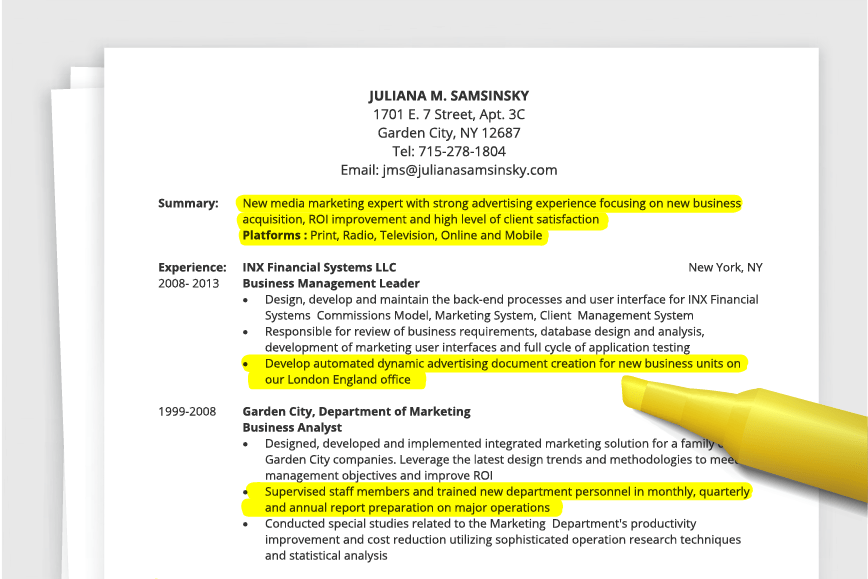
Sort through our administrative resume examples to see what works best for you.
-
Our sales resume examples can help you write the best possible resume.
-
Explore our food service resume examples to show your skills effectively.
-
Start crafting your job-winning resume with our teaching resume examples.
-
-
-
Use our administrative cover letter examples for ideas on writing your own.
-
Use our sales cover letter examples to effectively show your sales accumen.
-
Write your job-winning cover letter following our nursing cover letter examples.
-
Learn to tell your story in education using our teaching cover letter examples.
-




Top One Page Resume Examples

- Our customers have been hired by*

Managerial
Standout
Charismatic
Distinguished
Emphasized
Insightful

Why Use JobHero’s One-Page Resume Examples?

A one-page resume quickly presents all the essential details that make you an ideal candidate.
Structured resume sections optimized for applicant tracking systems (ATS) help you prioritize relevant information.
Your resume should match industry expectations. Our examples help you understand what recruiters expect to see on your resume.


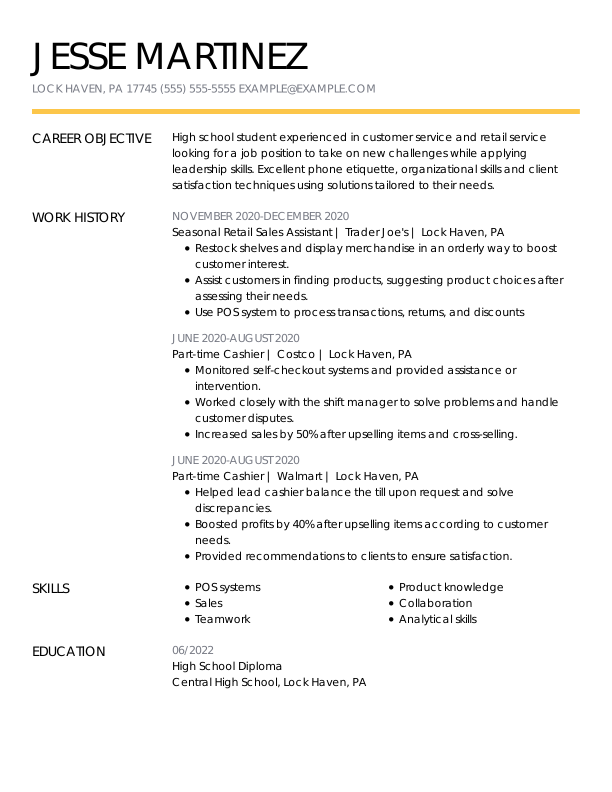
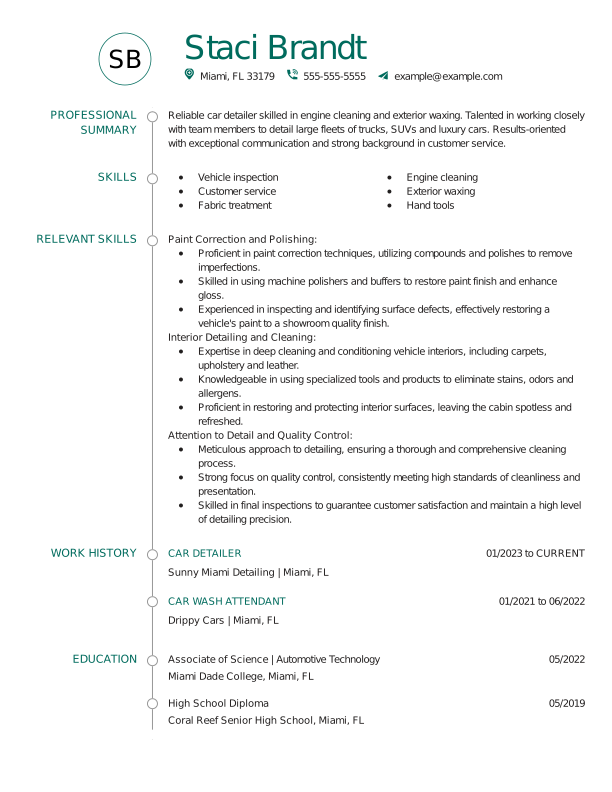
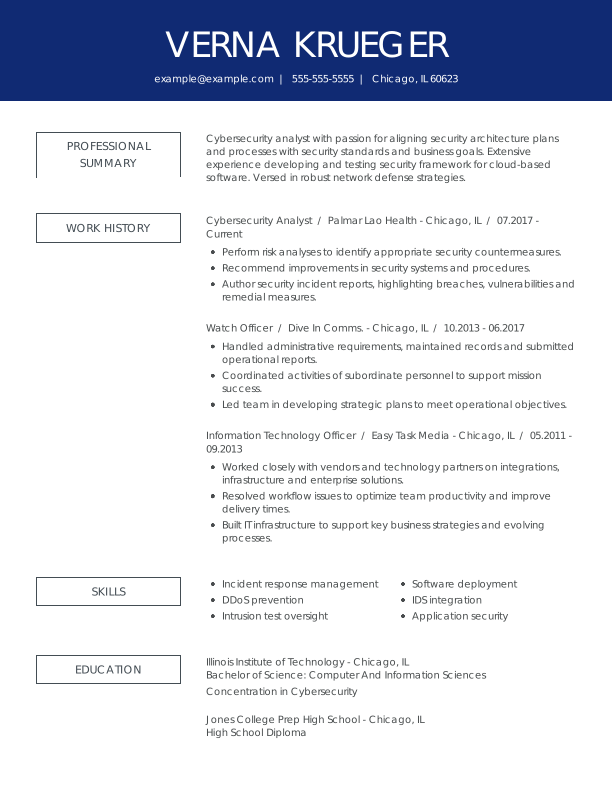
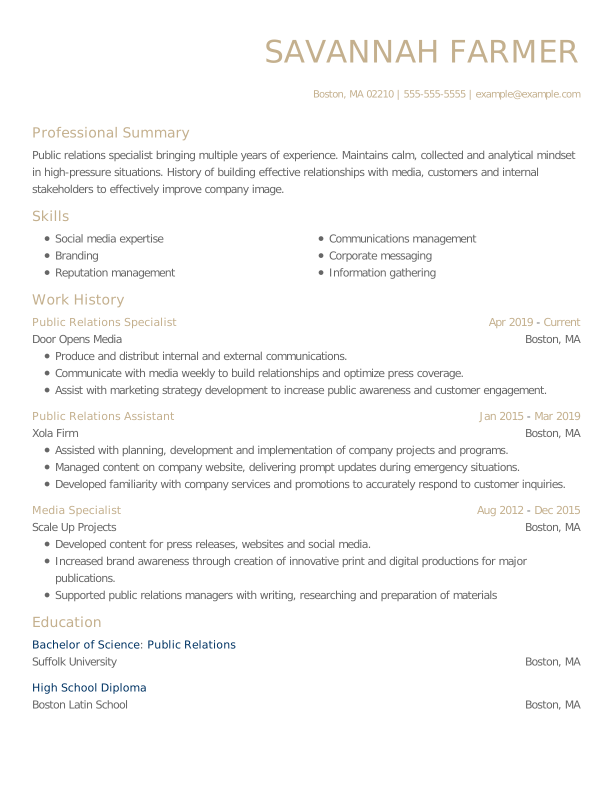
One-Page Resume Examples by Job Titles
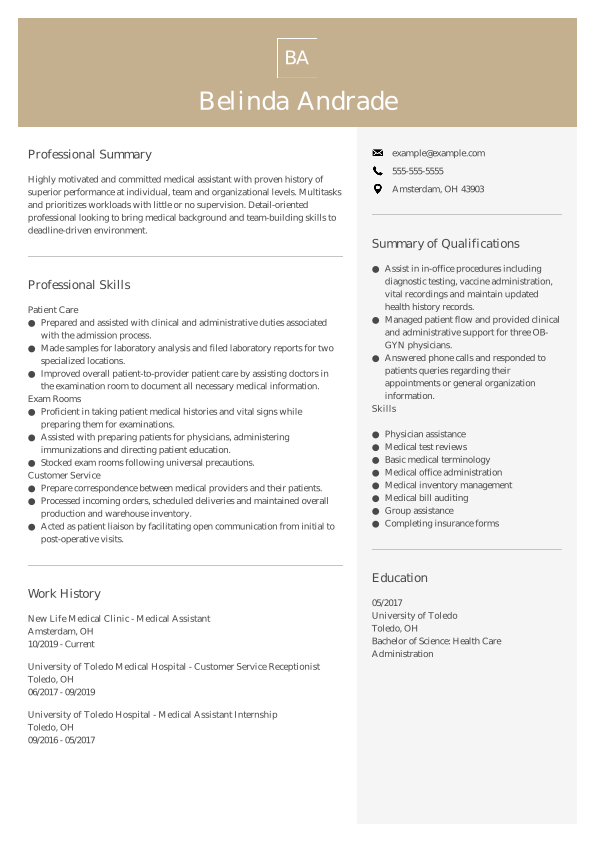
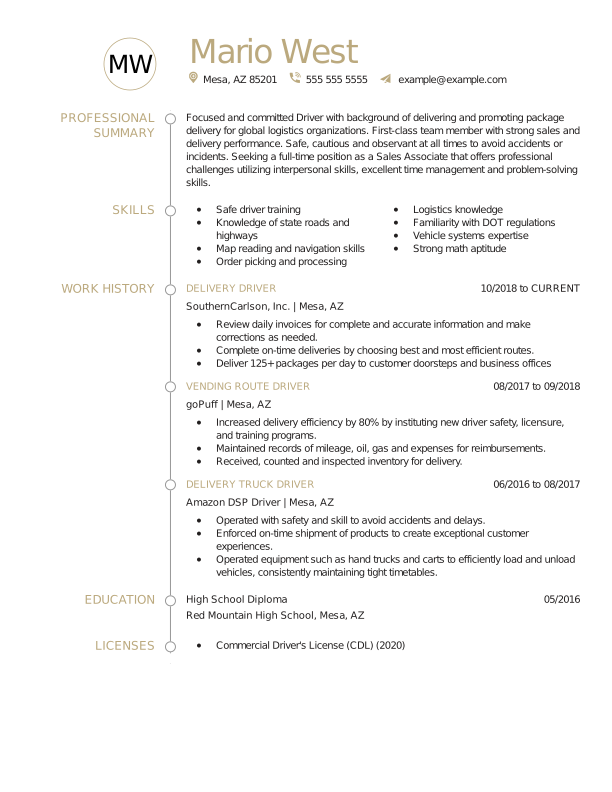
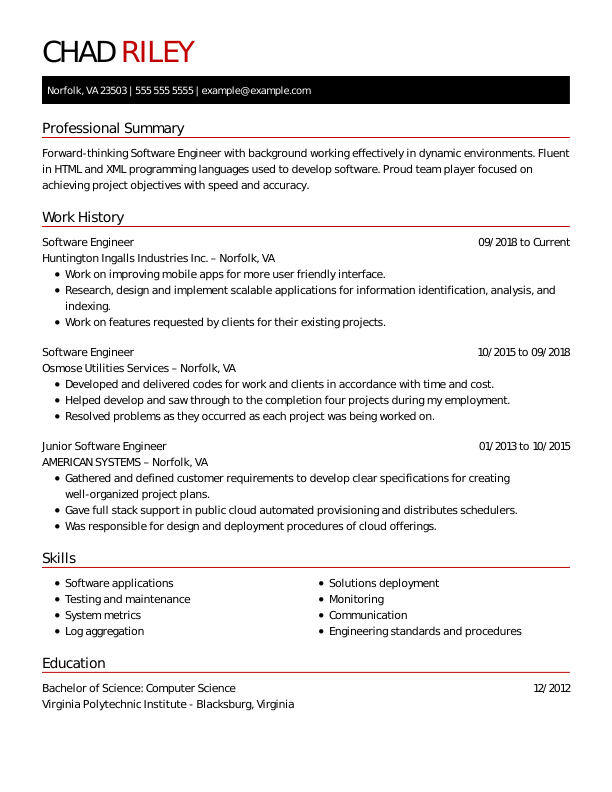
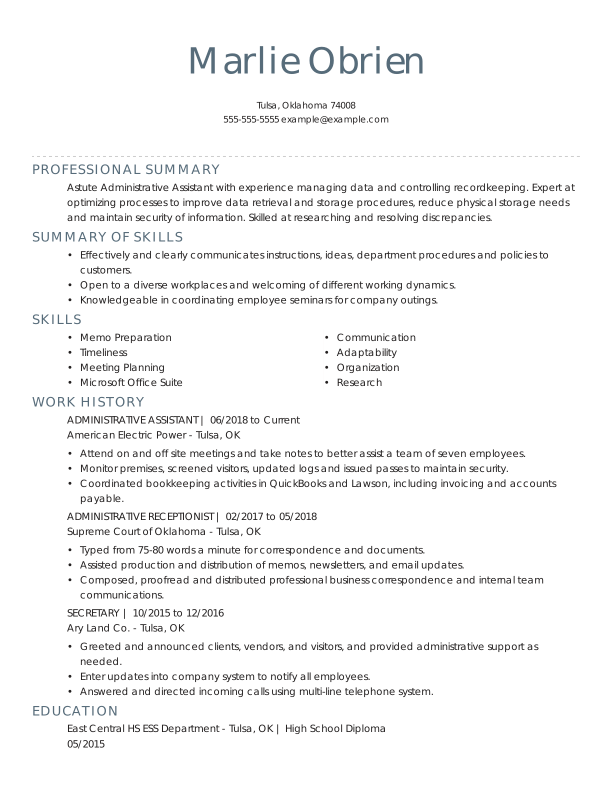
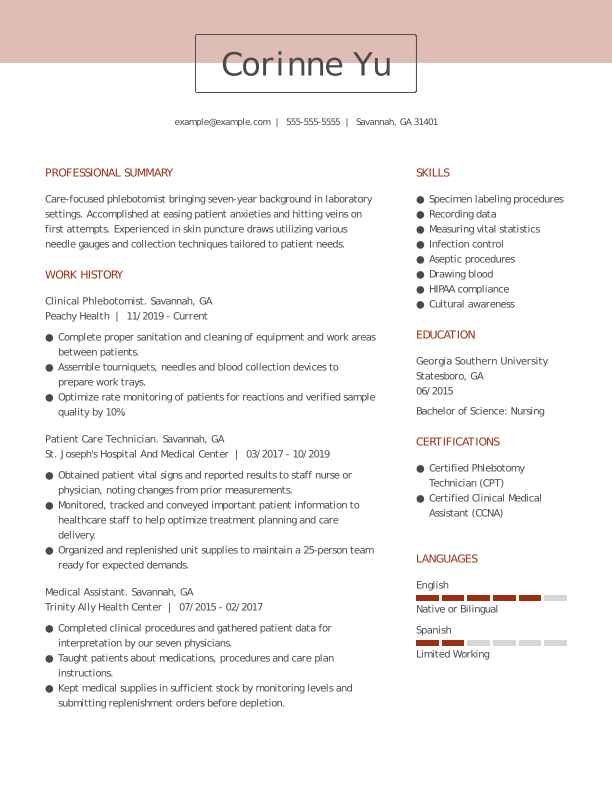
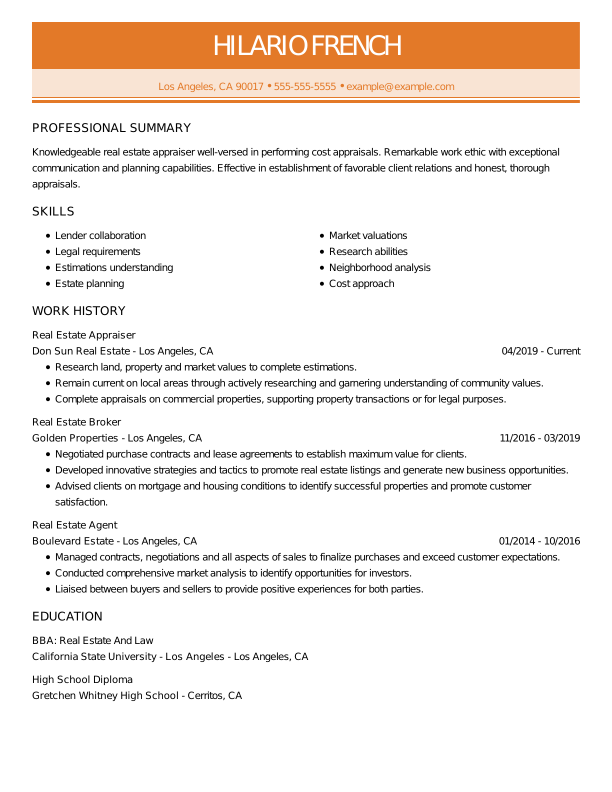
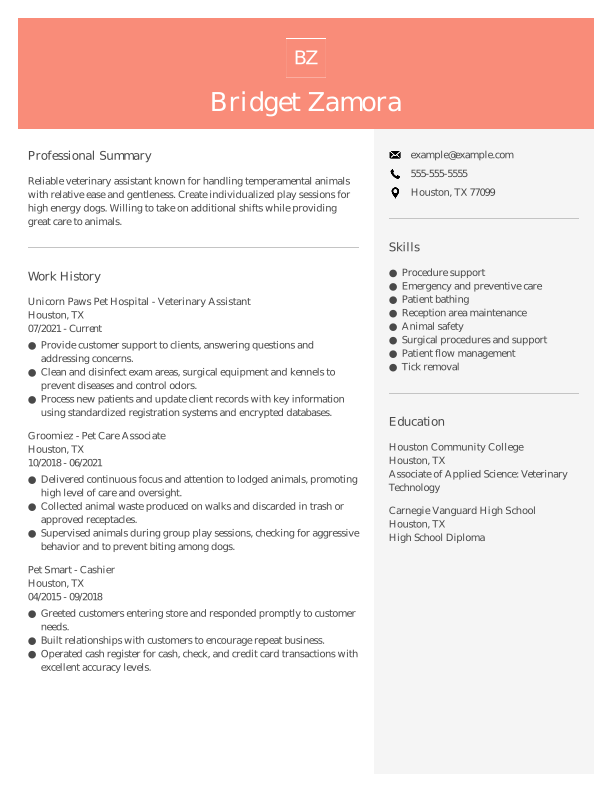
Use JobHero’s one-page resume samples to create your own, or visit our extensive library of fully customizable resume templates.
How to Write a One-Page Resume
Follow this guide to learn how to make a one-page resume in six easy steps.
Pick your resume format
Choosing the correct resume layout helps prioritize information and create a clear plan to write your resume. Consider your current situation and career goals; this will help you select the best resume format for your needs.
- Chronological format: Lists most recent experience first and follows a reverse-chronological order. The chronological format is recommended for job seekers with more than five years of experience, as it clearly shows your career progression.
- Functional format: Prioritizes skills and achievements while the work experience section lives toward the bottom of the page. This layout is better suited for recent graduates or job seekers with little experience who want to showcase their skill set.
- Hybrid/combination format: Gives balanced weight to your work experience and skills regarding resume placement, giving you a chance to highlight your strengths. It works perfectly for job seekers with at least a couple of years of experience but less than five, as well as candidates with career gaps.
Write a professional summary or resume objective
Including professional summaries or resume objectives in resumes is becoming standard practice because they provide a space to highlight your top skills and advocate for yourself as the ideal candidate. However, it’s essential to know which one works best for you.
- Professional summary: Brief sales-pitch description of your work experience and why you’re the best candidate for the role. Suited for job seekers with a few years of experience or who have performed the job before.
- Resume objective: A snapshot of who you are, what the recruiter can expect from you, and what you hope to accomplish. It’s best suited for candidates switching careers, searching for their first job, or those with a gap in experience.
List your top skills
Study the job description and tailor your skills section to match what the recruiter is seeking. List six to eight of your most relevant skills. Include a mix of both soft and hard skills, as well as technical skills.
Describe your work experience
Your work experience section should demonstrate your career progression and highlight the roles that prepared you for the position. Under each job role, include your accomplishments with specific examples and quantifiable results.
Here's how it should look:
Sales Manager
Leaves Corporation | Seattle, WA
July 2019 – Present
Achievements:
- Consistently exceeded quarterly and annual sales targets by an average of 25% over the past four years, resulting in a 35% revenue growth for the company.
- Led a team of 10 sales representatives to achieve their individual sales goals, resulting in a 20% increase in the team’s collective revenue compared to the previous year.
- Successfully identified and tapped into new markets, resulting in a 40% increase in market share in the Midwest region over two years.
Add certifications and academic background
Include your academic experience and certifications that prepare you for the role. If you’ve completed any course that enhances your professional experience, list it on your resume.
Review your resume
Always proofread your resume. Review the job post and ensure you ticked all the boxes for the role requirements. Additionally, we recommend asking a trustworthy source to read your resume and offer feedback.
How to Use One-Page Resume Templates in Our Builder
Looking to streamline the resume-building process? Our Resume Builder can help you create a polished and tailored resume in just a few minutes! Here’s how it works:
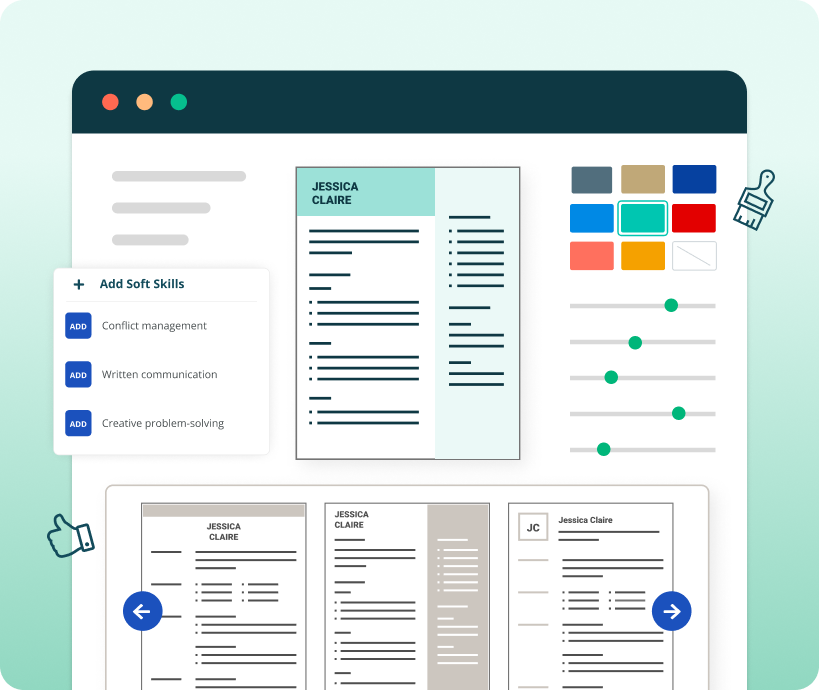
Click on any one-page resume template in this page to edit it in JobHero’s Resume Builder. Tell the Builder your years of experience and target job to get dozens of content suggestions.
Customize your one-page resume by browsing in-demand skills for your profession within our builder. Remember to include keywords from the job ad!
Once you’ve edited your resume’s content, fine tune your template’s formatting. Choose your design’s color, font type and size, and adjust spacing and margins for a perfect one-page resume. Download and start applying!


One-Page Resume Template Styles
Now that you learned how to write a one-page resume, it’s time to choose a design. Our resume template pages feature professionally designed templates to fit industry standards and showcase your personality.
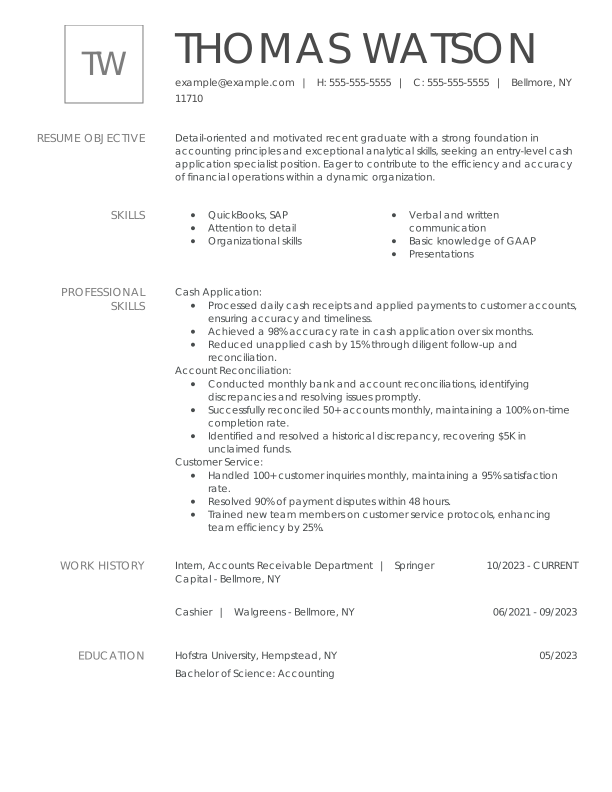
Professional Resume Style
These templates utilize formal design elements, such as crisp borders and classic fonts, for those pursuing careers in science, finance, banking, and law.
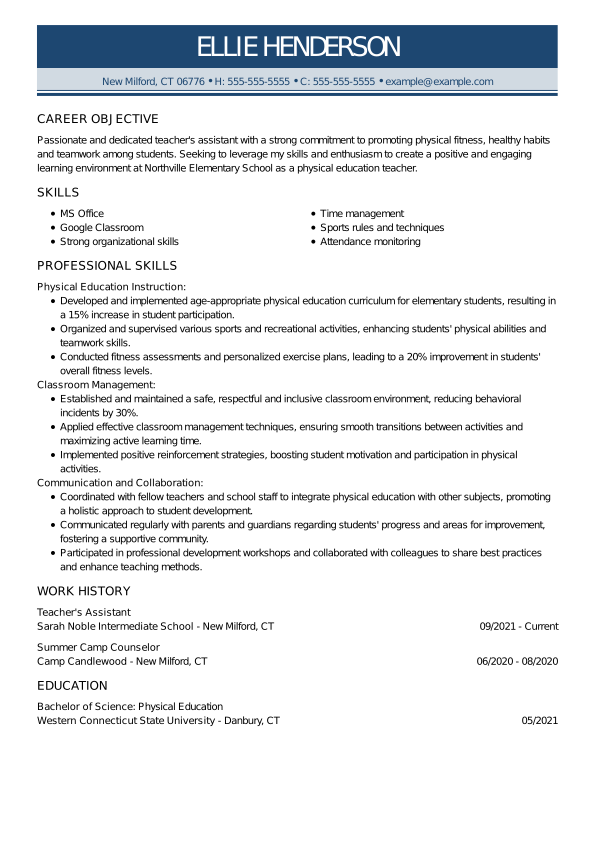
Basic Resume Style
Spotlight your potential with these straightforward templates that emphasize your experience, education, and skills.
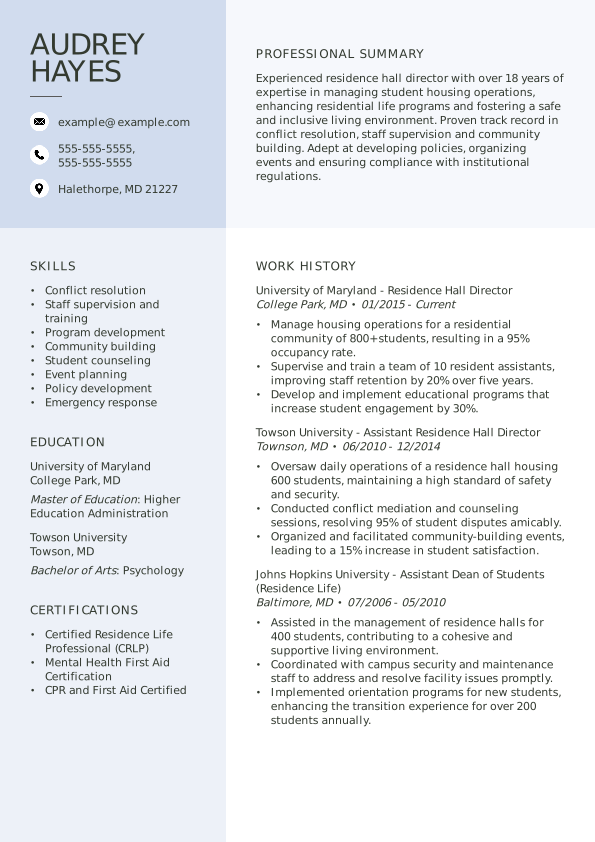
Creative Resume Style
Showcase your imaginative mindset with bold colors, modern fonts, and added elements. Suitable for designers, marketers, and artists.
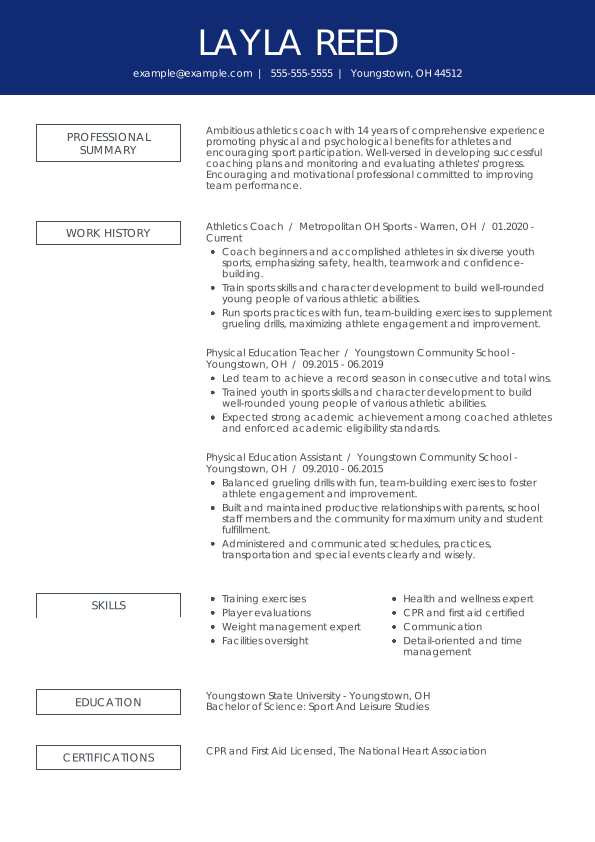
Modern Resume Style
These versatile templates incorporate modern fonts and layouts, making them suitable for use in any industry.
One-Page Resume FAQ
How can I fit a resume on one page?
Here are a few tricks to fit your resume into one page:
- Tailor your resume to the job post.
- Discard any irrelevant information.
- Stick to one or two sentences in your professional summary or resume objective.
- Be mindful of the design. It’s great to show off your personality, but it shouldn’t overwhelm the page.
- Remember to proofread and edit.
Can a resume be more than one page?
Remember, recruiters spend around six seconds reviewing your resume, so you don’t want to overwhelm them with irrelevant information. Generally, each resume page should reflect 10 years of experience. If you have less than 10 years of work experience, your resume should be one page long.
However, technical jobs like engineering expect longer resumes that present a detailed account of certifications and specific knowledge. Likewise, people hiring in academia want to see articles published, classes taught, professional memberships held, research conducted, and grants secured—lists that can take up quite a bit of space and stretch onto two or more pages.
We recommend looking at industry-specific resume examples to see how other job seekers format their resumes.
What is an applicant tracking system (ATS)?
Employers use applicant tracking systems (ATS) to screen resumes for skills, job titles, and educational background based on the job description. ATS searches for keywords that the employer and HR team have chosen as vital for the role. This recruitment software facilitates the evaluation of candidates for large companies that receive hundreds and even thousands of applications.
Helpful Resume Articles


By Gabriela Barcenas | CPRW, Career Writer


By Natalia Merced | CPRW, Career Writer