-
-
Sort through our administrative resume examples to see what works best for you.
-
Our sales resume examples can help you write the best possible resume.
-
Explore our food service resume examples to show your skills effectively.
-
Start crafting your job-winning resume with our teaching resume examples.
-
-
-
Use our administrative cover letter examples for ideas on writing your own.
-
Use our sales cover letter examples to effectively show your sales accumen.
-
Write your job-winning cover letter following our nursing cover letter examples.
-
Learn to tell your story in education using our teaching cover letter examples.
-





- Our customers have been hired by*


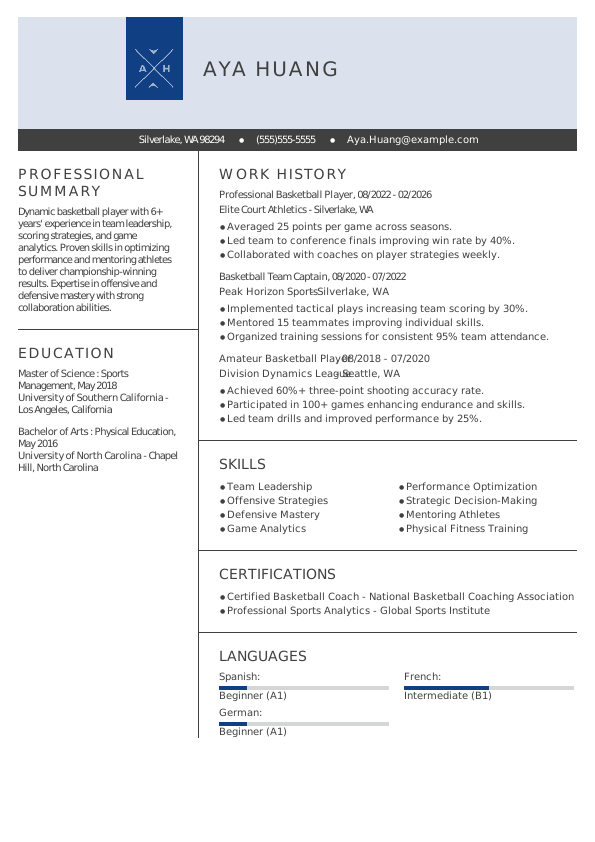
Entry-Level Basketball Player Resume
This resume example demonstrates athletic achievements and leadership skills, making it ideal for recent graduates and career changers seeking to excel in basketball or sports management.

Why this resume works:
A skills-focused resume format is beneficial for new basketball players, those returning to the sport, or individuals transitioning careers.

Mid-Career Basketball Player Resume
This basketball player resume example is ideal for athletes with a solid track record, seeking to showcase their skills and achievements while aiming for professional growth or specialized roles in the sport.
Why this resume works:
This applicant highlights a track record of improving outcomes across multiple settings.

Experienced Basketball Player Resume
This basketball player resume example is perfect for experienced athletes looking to elevate their careers through leadership and advanced coaching opportunities.
Why this resume works:
Leadership roles and advanced certifications underscore the ability to manage complex scenarios.

Looking for something else?
Create Your Standout Resume Today
Use our resume examples for inspiration on organization, color, and design—and learn how to effectively summarize your basketball player skills and experience with confidence.
How to Write a Basketball Player Resume
Knowing how to write a resume involves showcasing your unique strengths and abilities on the court, rather than simply listing positions or achievements.
In the following sections, you’ll find guidance on each part of the resume-building process, from personal details to athletic experience and teamwork skills. You'll also get additional resume tips tailored for crafting a standout basketball player resume.
Start with your contact info
The header section contains all your contact information and should be prominently positioned at the top of your resume. Begin with your name in a bold, larger font to ensure it catches the eye immediately. This design choice is critical as it allows recruiters to quickly identify you among a stack of applications.
Next, include your email address, phone number, and location details. While it's not necessary to list your entire address, providing your city, state, and ZIP code helps validate your eligibility for the position. This information is also beneficial for applicant tracking systems (ATS) that filter applications based on geographic location.
You can improve your resume by adding links to relevant certifications or an online portfolio if applicable. For a basketball player, including links to highlight reels or training achievements can give recruiters insight into your skills and dedication to the sport, making you a more attractive applicant for teams or organizations looking for talent.
Write a strong professional summary
A professional summary is a brief introduction on your resume that appears immediately after your contact information. It serves as the first impression for recruiters, highlighting your main attributes and readiness for the role. When crafting this section, focus on including key qualifications and skills tailored to the specific basketball team or league you're targeting. Customization shows your genuine interest in the position and can set you apart from other applicants. Reviewing resume summary examples can offer guidance on structuring yours, ensuring it captures attention while aligning with your career goals.
Strong vs weak basketball player summary
Strong

"Dedicated and skilled basketball player with over eight years of competitive experience at the collegiate level. Recognized for exceptional ball-handling, strategic playmaking, and strong defensive skills that led to a 20% increase in team wins during the last season. Proven leader on and off the court, fostering teamwork and sportsmanship among peers. Certified by the National Basketball Coaches Association as a youth coach."
Why this example works: This summary effectively portrays the job seeker's experience, showcases measurable achievements like win improvements, emphasizes key skills relevant to basketball, and incorporates industry-specific terms.
Weak

"Basketball player looking for opportunities to use my skills on the court. I have played in various leagues and enjoy working with a team."
Why this example doesn't work: This professional summary is weak due to its vague language and lack of specific achievements, skills, or experiences that would demonstrate the player's capabilities.

Highlight your interpersonal skills like teamwork and communication on your basketball player resume by providing specific examples from games or practice sessions. For instance, explain how clear communication with teammates improved plays or how collaborating during drills strengthened team dynamics.
Share your work history
Your work history is, arguably, the central and most important part of your resume. List your most recent roles in reverse-chronological order. This format allows coaches and scouts to quickly see your latest performance and development as a player.
When listing your work history, focus on:
- Position and team name
- Dates of play (season/year)
- Daily responsibilities (What skills did you use or improve?)
- Achievements (Did you lead in scoring or assist your team significantly?)
- Quantifiable performance metrics (For instance, "averaged 20 points per game.")
Finally, use dynamic action verbs to vividly convey your contributions on the court.
Strong vs weak basketball player work history
Strong
Basketball Player, City Thunder
2018–2023
- Played in over 300 competitive games, averaging 25 points and 10 rebounds per game.
- Led the team to a championship title, contributing to a 20% increase in playoff performance compared to the previous season.
- Mentored younger teammates, facilitating skill development that resulted in three players earning collegiate scholarships.
Why this example works: A strong work history highlights specific achievements and contributions, showcasing statistical success that illustrates both on-court skills and leadership. It emphasizes measurable impacts and showcases relevant experience that can attract attention from scouts or teams.
Weak
Basketball player
Local Sports Club
- Played basketball and trained with the team.
- Participated in games.
Why this example doesn't work: This entry is ineffective because it lacks specifics about the player's position, achievements, or statistics. It does not mention the duration of employment or any notable contributions to the team, making it challenging for coaches or recruiters to assess the job seeker's skills and overall impact on performance.
To improve your visibility in the sports industry, add your resume to LinkedIn. This allows you to showcase achievements like points scored or tournaments played and connect with coaches and scouts. Engaging actively in basketball-related discussions can help build a network that leads to exciting opportunities.
Highlight your key skills
The skills section of your resume is essential for showcasing your strengths as a basketball player. Here's a rundown of various skills and their significance in demonstrating your athletic capabilities and potential contributions to a team:
- Soft skills are personal attributes showing how you collaborate with others, like teamwork, communication, and resilience. For basketball players, qualities such as sportsmanship and adaptability are important because they improve team dynamics and contribute to overall performance on the court.
- Hard skills for a basketball player are specific abilities developed through practice and training. Examples include shooting accuracy, ball handling, defensive techniques, and fitness conditioning.
- Technical skills for basketball players cover skill with training tools, performance analysis software, and recovery equipment. Examples include using shooting machines like the Gun 6000, analyzing game footage with Hudl, and employing resistance bands for strength training.
For aspiring basketball players, it's best to highlight your skills near the top of your resume to showcase your potential. If you have a solid track record, place your skills section after your playing experience to let your achievements speak for themselves.
Top 15 skills for your basketball player resume
When crafting your resume, it’s important to choose the right skills that highlight your strengths as a basketball player. Focus on a mix of soft skills like teamwork and communication, alongside hard skills such as shooting accuracy and defensive strategies. Don’t overlook transferable skills that can improve your appeal across different roles in sports or coaching.
Below is a list of the top 15 skills sought after by basketball players, based on insights from JobHero users. These skills reflect what employers are looking for in applicants who excel in this competitive field.
Build your education section
The education section of your resume should reflect your level of experience and the norms within the basketball industry. For seasoned players, especially those with extensive achievements and participation in professional leagues, it's advisable to minimize the education details. In many cases, placing this section towards the end or omitting it altogether can be effective.
Conversely, recent graduates or athletes entering specialized training programs should emphasize their educational background prominently. This includes listing their degrees, relevant courses, and any honors achieved during their studies to showcase their foundational knowledge and commitment.
For aspiring players seeking to carve a niche in competitive environments, highlighting certifications from coaching clinics or sports science courses can further improve their resumes. Tailor your education section to best position yourself for success in the basketball field.
20 action verbs to add to your resume
Using action verbs in your resume improves its strength by communicating your experiences and accomplishments. These dynamic words create a compelling tone that captures the attention of hiring managers.
When crafting your resume, select action verbs that resonate with the basketball player role and align with essential skills highlighted in job postings. This targeted approach shows your fit for the position.
- Executed
- Strategized
- Led
- Trained
- Motivated
- Analyzed
- Directed
- Developed
- Improved
- Promoted
- Mentored
- Facilitated
- Improved
- Achieved
- Managed
- Coached
- Inspired
- Organized
- Focused
- Contributed
Consider additional resume sections
While your core resume provides the most critical information, adding targeted sections can showcase your unique qualifications. These sections help hiring managers quickly identify your skills, experiences, and achievements beyond standard resume entries.
Here are optional sections we tend to see on basketball player resumes:
- Playing statistics: Include personal stats such as points per game, assists, rebounds, and shooting percentages to highlight your performance.
- Awards and honors: List any accolades received, such as MVP awards or all-conference selections, to demonstrate recognition of your talent.
- Skills and strengths: Detail specific skills like ball handling, defense techniques, or teamwork that make you a valuable player.
- Team contributions: Describe significant moments where you positively impacted team dynamics or led initiatives that improved team performance.
- Training and development: Highlight any camps, clinics, or training programs attended that reflect your commitment to improving your game.
5 Tips for Formatting Your Resume
Proper resume formatting is essential for job seekers to capture the attention of recruiters and navigate through ATS filters. By using ATS-friendly resume templates, job seekers can ensure their resumes look polished while highlighting important information in a way that engages hiring managers and increases visibility.
1. Watch your line spacing and margins
Proper spacing helps your resume look clean and organized, making it easier for hiring managers to read and find key information. Thoughtful spacing also reflects your professionalism. Here's what works best:
- Keep margins between 0.5″ to 1.0″, depending on how much space you need.
- Use single spacing between paragraphs and bullet points.
- Raise the space to 1.5″ or double-space between sections.
2. Use a professional font
Selecting the right resume font for your resume can significantly affect how it's perceived. It's essential to choose professional fonts that convey clarity and seriousness, such as:
Result:
- Helvetica
- Garamond
- Verdana
- Tahoma
- Century Gothic
- Bookman
Consider using a slightly more distinctive font for your name at the top of your resume to ensure it captures attention.
3. Organize your resume sections
A resume must be clear and engaging. Use bullet points to showcase your skills and achievements in basketball. Start each point with a strong action verb that highlights what you accomplished on the court, such as "Led team to state championship by averaging 25 points per game."
Focus on measurable results to demonstrate your impact, like "Increased free throw percentage from 70% to 85% through targeted practice sessions." This method improves clarity and emphasizes your contributions.
To ensure compatibility with applicant tracking systems, use an ATS resume checker. This tool will help confirm that your resume is formatted correctly and includes relevant keywords that recruiters look for in basketball players today.
4. Use colors and design
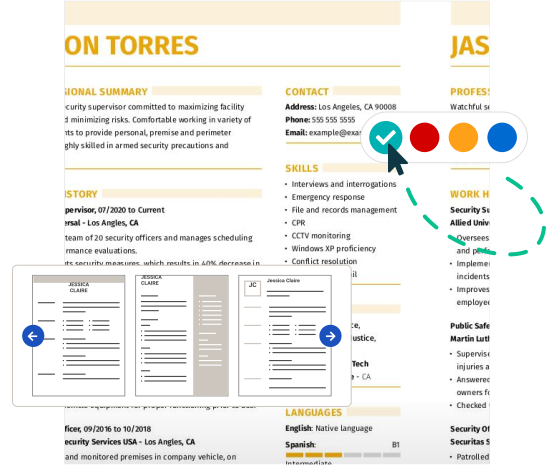
Incorporating color and design elements into your resume can elevate its impact and reflect your personal brand as a basketball player. A well-structured resume will highlight your achievements and skills in the sport.
Begin by selecting a template that resonates with your athletic journey. The combination resume format is ideal, as it allows you to showcase both your relevant skills and professional experience side by side. This layout emphasizes your strengths while maintaining clear organization.
Next, choose a professional color scheme that aligns with the sports industry. Consider using colors like deep blue or forest green for a polished look. These shades can be applied at the top of the document or used to create division between sections without overwhelming the reader.
Steer clear of overly bright colors that might distract from your accomplishments. It's also wise to avoid hues associated with competing teams or brands, as they could send mixed signals about your identity as an athlete. Thoughtful use of design will make your resume stand out while communicating your dedication to basketball.
5. Keep your resume length to 1-2 pages
Resumes should typically be one page long. This length allows you to present your skills and experiences clearly without overwhelming the reader. Most recruiters spend only seconds on each resume, so it's essential to be concise and powerful. Focus on including only the most relevant positions and accomplishments that directly relate to the job you’re targeting. Avoid redundancy by not listing similar responsibilities under different roles.
In certain situations, a two-page resume may be necessary. For instance, if you have extensive experience or are applying for senior-level positions, more space can showcase your achievements effectively. Academic roles often require a CV instead of a standard resume due to the need for comprehensive details about publications and research. Tailor your document based on the job requirements while keeping clarity and relevance at the forefront.
FAQ
Do I need to include a cover letter with my resume?
Crafting a compelling writing a cover letter is often overlooked, but it can be a game changer for your application. Even if it's not required, this document lets you showcase your personality, skills, and experiences in ways that a resume simply cannot. It helps you stand out from other job seekers by providing context and depth to your qualifications.
To help you get started, explore our collection of cover letter examples for inspiration tailored to various industries. When you're ready to put pen to paper, check out our Cover Letter Builder for easy step-by-step guidance on creating a strong cover letter.
What is the best resume format?
Choosing the right resume format depends on your individual situation and career goals. The three main types are chronological, functional, and combination. Each serves a unique purpose based on your experience level and the job you seek.
The chronological format is ideal for those with extensive work history as it emphasizes past roles. The functional format showcases skills and education, making it suitable for newcomers or those changing careers. The combination format balances both experience and skills, appealing to mid-level job seekers or those transitioning between industries.
How long should my Basketball Player resume be?
For basketball players, a concise one-page resume is often ideal, especially for those with under 10 years of experience. Coaches and recruiters frequently sift through numerous resumes quickly, so keeping your highlights front and center increases your chances of standing out.
Emphasize your on-court achievements, statistics, and relevant skills. Highlight recent teams played for and any standout performances that showcase your abilities. Avoid including unrelated jobs or excessive personal details that don't pertain to basketball.
Consider a two-page resume only if you have significant accomplishments, such as playing professionally or extensive collegiate success. In these instances, the extra space can effectively showcase your skills and experiences that make you a strong applicant.
Should I use a resume template or design my own?
For most job seekers, using a professionally crafted resume template is beneficial. These templates simplify the resume creation process and ensure an ATS-friendly format, which can help your application stand out to potential employers.
However, if you're involved in creative fields or have unique design preferences—such as being a basketball player with specific branding needs—you might consider designing your own resume layout to highlight personal achievements. Be sure to focus on clarity and effectiveness when crafting your custom resume.
Should I use the same resume for every job?
No, job seekers should not use the same resume for all applications. Customizing your resume is essential because it allows you to align your skills and experiences with the specific requirements of each job. Tailor key sections like your summary and skills to incorporate relevant keywords from the job description.
This not only makes your application more appealing to hiring managers but also helps you pass through ATS that filter resumes based on those keywords. Focus on showcasing accomplishments that directly relate to the role, demonstrating how you can add value to the company. A personalized approach significantly boosts your chances of landing an interview.
Build a custom resume in minutes with our professional templates and expert tips.
Gabriela Hernandez
CPRW, Career WriterGabriela is a Certified Professional Resume Writer (CPRW) and member of the Professional Association of Resume Writers & Career Coaches and has worked in the career industry for more than four years providing comprehensive guidance on resume writing and job search strategies for individuals across diverse career paths. She holds a bachelor's in journalism and is passionate about helping job seekers present their professional story effectively through well-crafted resumes and cover letters that demonstrate their value, skills, and experience to potential employers. Some of her work has been featured on JobHero’s resume examples career center.
More Resources


By Natalia Merced | CPRW, Career Writer


By Gabriela Barcenas | CPRW, Career Writer

By Natalia Merced | CPRW, Career Writer
By Gabriela Barcenas | CPRW, Career Writer

By Natalia Merced | CPRW, Career Writer