-
-
Sort through our administrative resume examples to see what works best for you.
-
Our sales resume examples can help you write the best possible resume.
-
Explore our food service resume examples to show your skills effectively.
-
Start crafting your job-winning resume with our teaching resume examples.
-
-
-
Use our administrative cover letter examples for ideas on writing your own.
-
Use our sales cover letter examples to effectively show your sales accumen.
-
Write your job-winning cover letter following our nursing cover letter examples.
-
Learn to tell your story in education using our teaching cover letter examples.
-





- Our customers have been hired by*


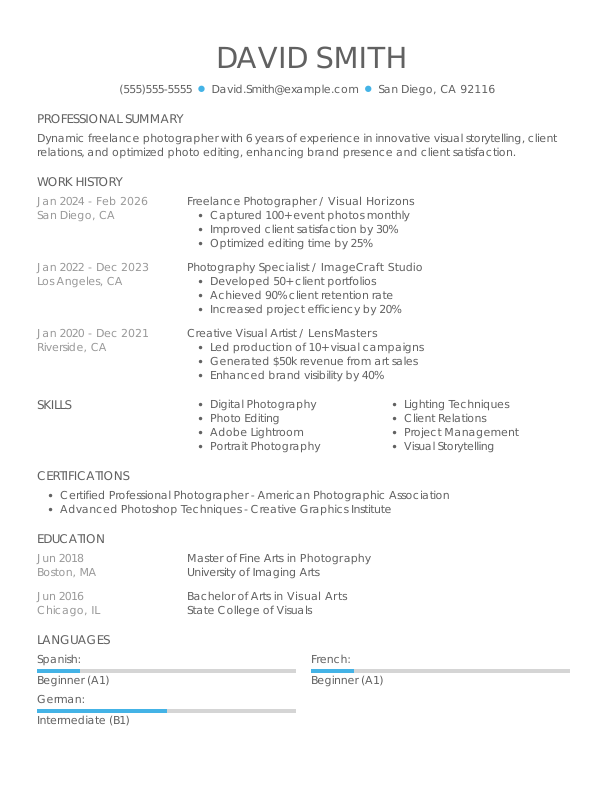
Entry-Level Freelance Photographer Resume
This resume example highlights diverse photography skills and accomplishments, making it ideal for recent graduates and career changers looking to establish themselves in the freelance photography industry.

Why this resume works:
A strong academic foundation shows the candidate is well-prepared to transition into this role.

Mid-Career Freelance Photographer Resume
This freelance photographer resume example is perfect for individuals with diverse experience looking to elevate their career through specialized photography projects and client engagement strategies.
Why this resume works:
Mid-career freelance photographers can highlight capturing over 500 client projects, boosting social media engagement by 30% through strategic visuals, or delivering assignments 20% ahead of schedule. They might also mention generating $60K in revenue from premium editing services and achieving a 90% client retention rate through personalized offerings.

Experienced Freelance Photographer Resume
This freelance photographer resume exemplifies a high level of expertise and creativity, perfect for professionals seeking to elevate their careers within the photography industry.
Why this resume works:
Leadership roles and advanced certifications underscore the ability to manage complex scenarios.

Looking for something else?
Create Your Standout Resume Today
Use our resume examples for inspiration on organization, color, and design—and learn how to effectively summarize your freelance photographer skills and experience with confidence.
How to Write a Freelance Photographer Resume
Learning how to write a resume allows you to showcase your unique value as a freelance photographer, highlighting not only your skills but also your creative vision and style.
In the next sections, we will guide you through the resume-building process step-by-step, covering essential elements like your portfolio, experience, and photography techniques. Along with these details, we’ll share practical resume tips to help you craft a standout resume that captures attention.
Start with your contact info
The header section contains all your contact information and should be prominently displayed at the top of your resume. Start by placing your name in a bold, larger font to grab attention. This is important for a freelance photographer, as it sets the tone for your creative identity.
Include essential details such as your email address, phone number, and general location. While full addresses are not necessary, listing your city and state helps potential clients gauge if you’re within reach for assignments. These details also facilitate communication and are beneficial for any applicant tracking systems (ATS) used.
Consider adding a link to your personal portfolio or website where potential clients can view samples of your work. This is especially important in photography, as visual examples are paramount in showcasing your style and skills. Including such links can significantly improve your application by providing immediate access to your best projects.
Write a strong professional summary
A professional summary serves as your introduction on a freelance photographer resume, appearing right beneath your contact details. It captures the attention of potential clients or employers by summarizing your skills and experience.
In this section, include key qualifications and showcase your passion for photography. Customizing the summary to reflect the specific job or project you’re targeting can make a significant difference in standing out.
For inspiration, look at various resume summary examples tailored for photographers. These can guide you in structuring your own while highlighting what makes you unique.
Strong vs weak freelance photographer summary
Strong

"Creative and skilled freelance photographer with over seven years of experience in diverse settings including weddings, portraits, and commercial projects. Expert in digital imaging and photo editing with a demonstrated ability to produce high-quality visuals that exceed client expectations. Proficient in Adobe Creative Suite and lighting techniques. Awarded 'Best Photographer' in regional contests for innovative composition and attention to detail."
Why this example works: This summary effectively highlights the job seeker's experience, achievements such as awards, role-specific skills like photo editing, and uses keywords relevant to photography job descriptions.
Weak

"Freelance photographer looking for opportunities to showcase my work and capture beautiful moments. I have some experience in different photography styles and enjoy collaborating with clients."
Why this example doesn't work: This professional summary is weak and generic, failing to highlight specific skills, achievements, or unique style that would set the freelance photographer apart from others.

Emphasize interpersonal skills like collaboration and adaptability on your freelance photographer resume. Include specific examples from previous projects where these skills led to successful client interactions or creative teamwork, demonstrating your ability to build strong relationships in a fast-paced environment.
Share your work history
Your work history is, arguably, the central and most important part of your resume. List your most recent roles in reverse chronological order. If you’ve held numerous positions, select the ones most relevant to the job you’re applying for.
When listing your work history, focus on:
- Job title and client name
- Dates of freelance work (month and year)
- Key responsibilities (What photography projects did you handle?)
- Achievements and contributions (Did you receive any awards or positive feedback?)
- Measurable results (Use numbers when possible, such as "increased social media engagement by 30%.")
Finally, use dynamic action verbs to vividly showcase your contributions.
Strong vs weak freelance photographer work history
Strong
Freelance Photographer, Creative Lens Studios
2018–Present
- Captured and edited over 500 client portraits, leading to a 40% increase in repeat business.
- Managed social media campaigns that boosted engagement by 25%, improving brand visibility.
- Collaborated with marketing teams to produce visual content, resulting in a 50% rise in customer inquiries.
Why this example works: A strong work history showcases your ability to deliver high-quality results, emphasizing quantifiable achievements and specific projects. It highlights creative expertise and the capacity to drive business growth through innovative solutions and effective collaboration.
Weak
Freelance Photographer
Creative Studio
- Took pictures for clients and edited some photos.
- Worked on various projects.
Why this example doesn't work: This entry is weak because it doesn't specify the types of photography, lacks details about the clients or projects, and fails to mention any notable achievements or outcomes.
To improve your visibility as a freelance photographer, add your resume to LinkedIn. Showcase a diverse portfolio that highlights your best work, use relevant keywords in your profile summary, and engage with photography communities to attract potential clients and collaborators seeking unique talent.
Highlight your key skills
The skills section of your resume is essential for demonstrating your strengths as a freelance photographer. Here's a rundown of various skill types and their significance in capturing potential clients' attention:
- Soft skills are personal attributes that influence how you collaborate with others, including creativity, effective communication, and adaptability. For freelance photographers, skills such as client relationship management and attention to detail play a key role in capturing the desired vision while ensuring clients enjoy a smooth experience.
- Specific hard skills are technical abilities developed through training, education, or hands-on experience in photography. A freelance photographer should have skill in photo editing software, knowledge of lighting techniques, advanced camera operation skills, and expertise in composition.
- Technical skills essential for a freelance photographer include expertise with various editing software and camera equipment. Adobe Lightroom is a key tool for photo editing, while Canon DSLR cameras are important for capturing high-quality images. Online platforms such as Dropbox facilitate efficient file sharing.
For freelance photographers just starting out, place your skills section near the top of your resume to highlight your abilities despite limited experience. Experienced photographers should position this section after work history, as their experience naturally showcases their skill set.
Top 15 skills for your freelance photographer resume
When crafting your resume as a freelance photographer, it’s essential to choose skills that highlight your expertise and versatility. Focus on both technical skills like photo editing and soft skills such as communication, which can be valuable in various contexts. Don't forget to include transferable skills to showcase your adaptability across different projects.
Below is a list of the top 15 skills favored by JobHero users for freelance photographers. These skills reflect what employers are looking for and emphasize the qualities that make you an appealing job seeker in this competitive field.
Build your education section
The education section's significance varies based on your experience and the industry. Seasoned freelance photographers should prioritize showcasing their portfolio and work history, as practical experience often holds more weight than formal education. If you have extensive experience, consider placing your education section at the bottom or omitting it entirely if not directly relevant.
For those newer to photography or entering specialized niches, highlighting your educational background is important. Position this section prominently at the top of your resume and include details such as degrees, certifications, and any relevant workshops or courses that improve your qualifications.
Additionally, recent graduates should emphasize internships or projects undertaken during their studies to demonstrate applicable skills. This approach helps bridge the gap between education and practical application in the competitive freelance market.
20 action verbs to add to your resume
Using action verbs in a freelance photographer's resume strengthens the way you convey your experience and achievements. These verbs help to create an engaging narrative that captures attention and highlights your expertise.
Select action verbs that align with photography skills like "capture," "edit," and "improve" to match job requirements, ensuring relevance and impact in your application.
- Captured
- Edited
- Styled
- Presented
- Collaborated
- Guided
- Promoted
- Documented
- Curated
- Instructed
- Organized
- Executed
- Analyzed
- Delivered
- Improved
- Proposed
- Evaluated
- Communicated
- Supported
- Facilitated
Consider additional resume sections
While your core resume provides the most critical information, adding targeted sections can showcase your unique qualifications. These sections help hiring managers quickly identify your skills, experience, and creative achievements beyond standard resume entries.
Here are optional sections we tend to see on freelance photographer resumes:
- Specialty areas: Highlight niches such as portrait, event, or product photography to demonstrate your focus and expertise.
- Client testimonials: Include brief quotes from clients that reflect their satisfaction with your work and professionalism.
- Exhibitions and publications: List any galleries where your work has been displayed or magazines where it has been published to improve credibility.
- Technical skills: Detail specific photography equipment you're proficient with (cameras, lenses, editing software) to show technical expertise.
- Professional memberships: Mention any affiliations with photography organizations that illustrate your commitment to the craft.
5 Tips for Formatting Your Resume
Proper resume formatting is essential for freelancers aiming to impress potential clients and navigate ATS filters. By using ATS-friendly resume templates, you can ensure your work stands out visually while including key information that keeps recruiters engaged and increases your chances of landing that next photography gig.
1. Watch your line spacing and margins
Proper spacing helps your resume look clean and organized, making it easier for hiring managers to read through your qualifications. Effective use of space can set you apart from other applicants. Here’s what works best:
- Keep margins between 0.5″ to 1.0″ to ensure content is not cramped.
- Use single spacing between paragraphs and bullet points for a tidy appearance.
- Increase the space to 1.5″ or double-space between sections to clearly delineate different parts of your resume.
2. Use a professional font
Selecting the right font for your photography portfolio is important as it reflects your personal style and professionalism. Consider using a resume font to convey a professional image.
- Helvetica
- Garamond
- Verdana
- Trebuchet MS
- Century Gothic
- Futura
To make your name stand out at the top of your portfolio, choose a font with a bit more character or boldness.
3. Organize your resume sections
A resume should be clear and visually appealing. Use bullet points to clearly outline your experience as a freelance photographer. Start each bullet with a strong action verb to highlight your significant achievements or responsibilities, such as "Captured high-quality images for over 50 weddings, leading to a 30% increase in referrals."
Focus on measurable results that demonstrate your impact, like "Increased social media engagement by 40% through strategic content sharing of photography work." This method improves readability and allows potential clients or employers to quickly assess your skills.
To ensure your resume is optimized for applicant tracking systems, use an ATS resume checker. This tool will confirm the compatibility of your formatting and keywords with industry standards, improving your chances of standing out in a competitive market.
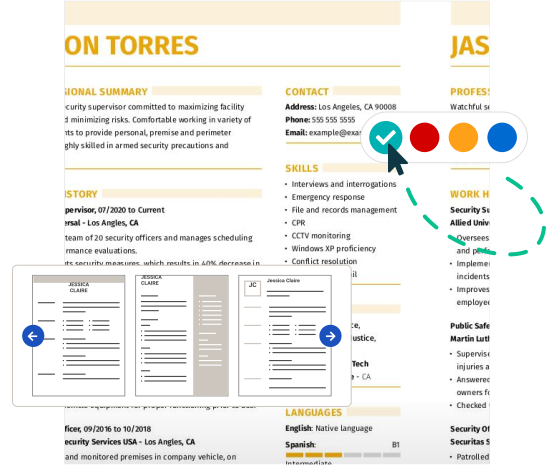
4. Use colors and design
Incorporating color and design elements into your resume can significantly improve its visual impact, reflecting your unique style as a freelance photographer. A well-crafted resume not only showcases your skills but also captures attention.
Start by exploring various pre-made resume templates. Aim for one that allows you to arrange your sections clearly. The combination resume format is ideal for photographers, as it emphasizes both your creative portfolio and relevant experience in an organized manner.
When selecting a color scheme, choose tones that convey professionalism while allowing your work to shine. Subtle colors like slate gray or muted teal can add sophistication without overshadowing the content. Consider using darker shades at the top of the document or to separate distinct sections.
Avoid using bright or neon colors, which can detract from readability and professionalism. Additionally, steer clear of any hues associated with competitors or those that might evoke negative responses.
Thoughtfully designed resumes can elevate your chances of making a strong impression on potential clients and employers by showcasing not only your photography skills but also your attention to detail.
How to use color in creative fields
As a freelance photographer, your portfolio is essential in showcasing your unique style and creative vision. Use vibrant imagery and a clean layout to highlight your best work while keeping it professional. Consider incorporating design elements that reflect your artistic approach, such as custom typography or a distinctive color scheme.
For instance, if you're targeting high-end clients, opt for elegant designs with subtle colors to convey sophistication. Conversely, if you aim for a more adventurous market, don't shy away from bold colors and dynamic layouts that express energy and creativity. Always ensure that the overall presentation aligns with the expectations of the audience you're trying to attract.
5. Keep your resume length to 1-2 pages
Your resume should be clear, concise, and tailored to your target job. Generally, keeping it to one page is best since hiring managers often take only a few seconds to review each document. Focus on the most relevant experiences and skills that align with the position you’re interested in. Avoid listing outdated roles or repeating similar responsibilities across different jobs.
In some situations, extending your resume to two pages is appropriate. For instance, if you have extensive experience in freelance photography or are applying for senior-level positions where detailed accomplishments matter, a two-page format can showcase your qualifications effectively. Additionally, if you're in academia or research fields, consider using a CV instead of a standard resume to highlight your publications and projects comprehensively.
FAQ
Do I need to include a cover letter with my resume?
Writing a cover letter is an important step in your job application process, even if it’s not specifically required. It lets you showcase your personality and share context about your skills and experiences. Adding this personal touch can help set you apart from other job seekers, leaving a strong impression on potential employers.
To get started, check out our collection of cover letter examples for creative ideas and inspiration tailored to different industries. Once you're ready to create your own, try using our Cover Letter Builder, which provides easy, step-by-step guidance to make sure you highlight your strengths.
What is the best resume format?
Choosing the right resume format is important to showcasing your qualifications. The three main types are chronological, functional, and combination resumes, each designed for different job seekers' needs.
The chronological format is ideal for those with substantial experience, as it emphasizes work history. In contrast, the functional format focuses on skills and education, which suits entry-level applicants or those changing careers. Finally, the combination resume balances experience and skills, catering to mid-level professionals or individuals transitioning between industries.
How long should my Freelance Photographer resume be?
For freelance photographers, a one-page resume is often the best choice, especially if you have less than 10 years of experience. Hiring managers typically sift through numerous applications quickly, so maintaining a concise format helps your standout skills shine.
Focus on showcasing your most relevant photography projects, client testimonials, and technical skills. Highlight recent work that aligns with the types of gigs you're pursuing. Remove outdated projects or excessive details about non-photography jobs that do not add value.
A two-page resume may be suitable for seasoned photographers with extensive portfolios or those applying for high-level positions in creative agencies. In such cases, your diverse experience and notable achievements warrant the extra space to impress potential clients or employers.
Should I use a resume template or design my own?
For most job seekers, using a professionally crafted resume template is highly recommended. These templates simplify the resume writing process and provide an ATS-friendly structure, making it easier for hiring managers to see your qualifications.
However, as a freelance photographer, you might consider designing your own resume to reflect your artistic style. Just ensure that it maintains clarity and professionalism while showcasing your unique vision. Balancing creativity with essential guidelines will make your resume effective and memorable.
Build a custom resume in minutes with our professional templates and expert tips.
More Resources

By Gabriela Barcenas | CPRW, Career Writer


By Natalia Merced | CPRW, Career Writer

By Natalia Merced | CPRW, Career Writer

By Natalia Merced | CPRW, Career Writer

By Gabriela Barcenas | CPRW, Career Writer