-
-
Sort through our administrative resume examples to see what works best for you.
-
Our sales resume examples can help you write the best possible resume.
-
Explore our food service resume examples to show your skills effectively.
-
Start crafting your job-winning resume with our teaching resume examples.
-
-
-
Use our administrative cover letter examples for ideas on writing your own.
-
Use our sales cover letter examples to effectively show your sales accumen.
-
Write your job-winning cover letter following our nursing cover letter examples.
-
Learn to tell your story in education using our teaching cover letter examples.
-





- Our customers have been hired by*


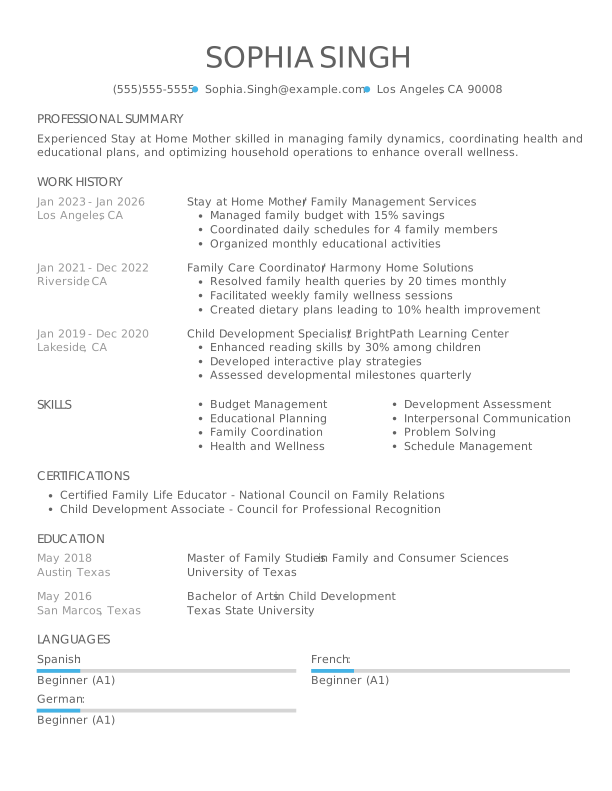
Entry-Level Stay-at-Home Mother Resume
This resume example effectively demonstrates the skills and experiences of career changers, showcasing how a stay-at-home mother can transition into the workforce with valuable competencies in management and community engagement.

Why this resume works:
It emphasizes valuable skills such as time management, budgeting, and event coordination, showcasing readiness for new opportunities.

Mid-Career Stay-at-Home Mother Resume
This resume example is perfect for stay-at-home mothers seeking to highlight their extensive experience in household management and caregiving, showcasing skills that can translate into future professional roles.
Why this resume works:
This applicant highlights a track record of improving outcomes across multiple settings.

Experienced Stay-at-Home Mother Resume
This stay-at-home mother resume example is perfect for individuals showcasing their leadership in household management and community engagement skills.
Why this resume works:
Leadership roles and advanced certifications underscore the ability to manage complex scenarios.

Looking for something else?
Create Your Standout Resume Today
Use our resume examples for inspiration on organization, color, and design—and learn how to effectively summarize your stay-at-home mother skills and experience with confidence.
How to Write a Stay-at-Home Mother Resume
Learning how to write a resume is important for stay-at-home mothers to effectively showcase their unique value beyond just listing experiences. By emphasizing transferable skills and personal achievements, you can create a narrative that highlights your strengths.
In the sections that follow, we will guide you step-by-step with useful resume tips on structuring your resume, detailing relevant experiences, and presenting yourself confidently to potential employers.
Start with your contact info
The header section contains all your contact information, clearly positioned at the top of your resume. Start with your name in a large, bold font to capture attention right away. You might also choose a clean and professional design that aligns with your personal style, ensuring it remains visually appealing.
Next, include essential contact details such as your email address, phone number, and location; city and state are adequate. This information is vital for potential employers to reach you quickly and helps applicant tracking systems efficiently filter job seekers based on their geographical locations.
Additionally, consider incorporating links to any relevant certifications or training courses you've completed, as well as a personal blog or online portfolio if applicable. These optional resources can significantly improve your profile by demonstrating skills and experiences that support your candidacy as a stay-at-home mother returning to the workforce.
Write a strong professional summary
A professional summary serves as your introduction on a stay-at-home mother's resume, located just below your contact details. This section is important as it captures a recruiter's attention right from the start.
Your summary should highlight relevant skills, experiences, and your passion for returning to work. Tailoring this section to match the job description demonstrates your genuine interest and suitability for the role.
Consider reviewing various resume summary examples to inspire your own writing. These examples can help you understand effective phrasing and organization for presenting your qualifications in a compelling way.
Strong vs weak stay-at-home mother summary
Strong

"Organized and resourceful stay-at-home mother with over eight years of experience managing a busy household and fostering a nurturing environment for children. Proven track record in multitasking, budgeting, and event planning, while ensuring educational activities that promote growth and development. Skilled in communication and conflict resolution, effectively coordinating family schedules and activities. Committed to creating a supportive atmosphere that empowers children to thrive."
Why this example works: This summary clearly outlines the job seeker's extensive experience as a stay-at-home mother, emphasizes measurable accomplishments like effective multitasking and budgeting, highlights essential skills relevant to parenting, and incorporates keywords associated with household management.
Weak

"Stay-at-home mother seeking opportunities to use my organizational skills and manage household tasks. I have experience in multitasking and enjoy working with children."
Why this example doesn't work: This summary is overly general and lacks specific examples of skills, achievements, or relevant experiences that demonstrate the job seeker's capabilities.

Highlight interpersonal skills such as empathy and conflict resolution on your stay-at-home mother resume. Provide specific examples of how you handled challenging situations or supported family dynamics, demonstrating your ability to build positive relationships and manage household challenges effectively.
Share your work history
Listing your experiences as a stay-at-home mother in reverse-chronological order allows potential employers to see your most recent skills and responsibilities first. This format emphasizes the growth and development of your abilities over time, which can be particularly appealing to hiring managers. It also showcases how you’ve managed various roles effectively, reflecting your adaptability and organization.
When detailing your work experience, focus on:
- Role description (Stay-at-Home Mother)
- Duration of this role (months/years)
- Daily responsibilities (What tasks did you manage daily?)
- Skills developed (Did you improve multitasking or crisis management skills?)
- Achievements (For example, "successfully organized family events")
Finally, use powerful action verbs to vividly describe your experiences.
Strong vs weak stay-at-home mother work history
Strong
Stay-at-Home Mother, N/A
2018–Present
- Managed household budgets to save 15% on monthly expenses through strategic shopping and meal planning.
- Organized educational activities that led to a 20% improvement in children’s learning outcomes, as evaluated by local educators.
- Volunteered as the coordinator for community playgroups, increasing participation by over 50% within one year.
Why this example works: A strong work history for a stay-at-home mother highlights key accomplishments that showcase skills in management, education, and community building. By presenting specific details and measurable outcomes, it effectively demonstrates both practical abilities and leadership qualities.
Weak
Stay-at-Home Mother
Home
- Took care of kids and managed the household.
- Handled daily routines.
Why this example doesn't work: This entry is weak as it does not detail specific responsibilities or achievements. It lacks information on how many children were cared for, any skills developed, or challenges overcome.
Add your resume to LinkedIn to improve your visibility as a stay-at-home mother. Highlight transferable skills such as organization and multitasking, and connect with groups that support working mothers to expand your network and attract potential opportunities.
Highlight your key skills
The skills section of your resume is essential for highlighting the strengths you've developed as a stay-at-home mother. Here's a rundown of various skills and their significance in demonstrating your capabilities:
- Soft skills are personal attributes that highlight how you engage with others, such as patience, multitasking, and effective communication. For stay-at-home mothers, qualities like organization and empathy are important as they help manage family dynamics and foster a nurturing environment for their children.
- Hard skills for a stay-at-home mother are specific abilities honed through experience and daily tasks. Examples include budgeting household expenses, meal preparation techniques, child development knowledge, and effective time management.
- Technical skills for a stay-at-home mother can include expertise in household management software, budgeting apps like Mint or YNAB, and communication platforms such as Zoom for virtual meetings or classes. These tools help streamline daily tasks, organize schedules, and facilitate remote engagement with educational resources.
For stay-at-home mothers re-entering the workforce, place your skills section near the top of your resume to highlight relevant abilities despite gaps in work history. If you have extensive experience, position this section after your work history to let your accomplishments speak for themselves.
Top 15 skills for your stay-at-home mother resume
When putting together your resume as a stay-at-home mother, it's essential to focus on the skills you've developed during this time. Highlight soft skills like patience and problem-solving, along with any hard skills such as budgeting or event planning. Including transferable skills is key, as they show how your experiences can apply to different jobs.
Below is a list of the 15 most popular skills for stay-at-home mothers, based on insights from JobHero users. These sought-after skills will help demonstrate your capabilities and make your resume stand out in the job market.
Build your education section
When crafting your resume, the education section should reflect your experience level and industry standards. For seasoned professionals, extensive work history often takes precedence over educational qualifications. If you've been in the field for many years and have accumulated significant experience, consider placing your education toward the end of your resume or omitting it if not required.
In contrast, recent graduates or those entering specialized fields should emphasize their education more prominently. This can include placing the education section at the top of your resume to highlight degrees, relevant coursework, and any certifications that demonstrate your knowledge and skills.
Ultimately, tailoring this section is vital. Ensure it aligns with what potential employers seek while showcasing your qualifications effectively based on where you are in your career journey.
20 action verbs to add to your resume
Using action verbs in your resume significantly improves its strength, as they effectively communicate your experiences while fostering an engaging tone. This approach makes a memorable impression on potential employers.
When applying for roles relevant to stay-at-home mothers, focus on action verbs that highlight transferable skills like organization and multitasking, ensuring they align with the qualifications mentioned in job postings.
- Organized
- Scheduled
- Facilitated
- Guided
- Led
- Adapted
- Nurtured
- Encouraged
- Developed
- Prepared
- Promoted
- Listened
- Cared for
- Managed
- Planned
- Created
- Engaged with
- Inspired
- Handled challenges
Consider additional resume sections
While your core resume provides the most critical information, adding targeted sections can showcase your unique qualifications. These sections help hiring managers quickly identify your skills, experiences, and accomplishments beyond standard resume sections.
Here are optional sections we tend to see on stay-at-home mother resumes:
- Volunteer experience: Detail any volunteer work you’ve done in schools or community organizations that demonstrates your commitment and skills.
- Skills developed: Highlight specific skills acquired during your time at home, such as budgeting, project management, or event planning.
- Education and training: Include any relevant courses or workshops you've completed while managing household responsibilities.
- Achievements: Describe notable achievements during this period, like organizing events or leading community initiatives.
- Parenting philosophies: Share insights into parenting approaches that could translate well into interpersonal skills in a workplace setting.
5 Tips for Formatting Your Resume
Proper resume formatting is important for job seekers aiming to capture the attention of hiring managers and effectively navigate application tracking systems. Using ATS-friendly resume templates can significantly improve your chances by ensuring your resume is both engaging and easily readable by technology used in recruitment processes.
1. Watch your line spacing and margins
Proper spacing helps your resume look clean and organized, making it easier for hiring managers to read. Adequate spacing ensures that your information is presented clearly while allowing the reader to navigate through your qualifications effortlessly.
- Keep margins between 0.5" to 1.0" to create a balanced look without overwhelming the page.
- Use single spacing between paragraphs and bullet points for a neat appearance.
- Increase space to 1.5" or double-space between sections to delineate different areas of content effectively.
2. Use a professional font
Selecting the right resume font is important. It affects readability and also helps convey professionalism. Consider these fonts:
- Helvetica
- Garamond
- Verdana
- Trebuchet MS
- Book Antiqua
- Century Gothic
For your name at the top, choose a slightly bolder or unique font to create a memorable first impression.
3. Organize your resume sections
A resume for a stay-at-home mother should be easy to read and well-structured. Use bullet points to highlight your skills and experiences gained during this time. Start each bullet with a strong action verb, such as "Managed," "Coordinated," or "Developed." For example, "Coordinated daily schedules for children’s activities, ensuring timely participation in all events" showcases your organizational skills.
Emphasize measurable accomplishments where possible. You might say, "Implemented a family budgeting system that reduced monthly expenses by 20%," demonstrating your financial management abilities. This not only reflects your practical skills but also shows how you contributed positively to the household.
To ensure your resume is ATS-compatible, use an ATS resume checker to identify potential formatting issues or missing keywords. This tool helps ensure your application stands out in digital submissions.
4. Use colors and design
While a simple resume is easy to navigate, incorporating color and design elements can make it more engaging and memorable. This approach allows you to express your personality while effectively presenting your qualifications.
Begin by searching for pre-made resume templates that suit your organizational style. The combination resume format is particularly useful as it provides a dedicated area for highlighting skills alongside work experience, offering a clear snapshot of your capabilities.
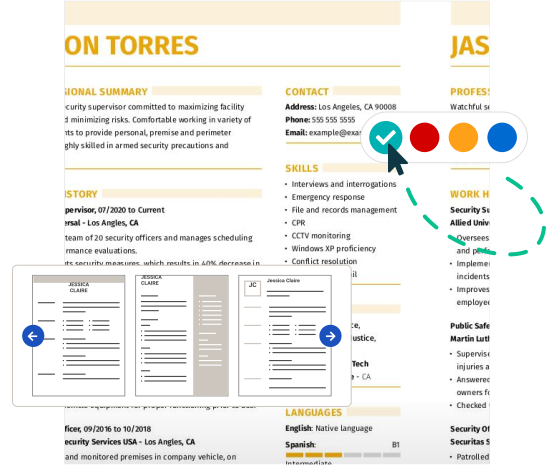
Next, select a professional color scheme. Opt for muted or darker colors such as navy or deep green, which convey professionalism without overwhelming the reader. Use these in headers or section dividers to add structure.
When choosing colors, avoid bright shades that may detract from your message and ensure all text remains readable. Additionally, steer clear of colors associated with competitors or those that could negatively impact the perception of your resume. A thoughtful design will improve your presentation and help you stand out in any job application process.
As a stay-at-home mother, showcasing your skills on a resume can be both fulfilling and strategic. Highlighting your organizational abilities, multitasking experience, and problem-solving skills is essential. Use clear headings and bullet points to present your achievements effectively, such as managing household budgets or coordinating family schedules.
When tailoring your resume for potential job opportunities, remember that clarity is key. While creativity can shine through in the format you choose, ensure it aligns with the expectations of the industry you're targeting. For instance, a family-focused organization might appreciate a warm and approachable design, while corporate roles may require a more streamlined and professional layout.
5. Keep your resume length to 1-2 pages
Resumes should generally be one page long. Recruiters often have limited time to review each resume, so being concise is important for making a strong impression. Focus on including only the most relevant positions and experiences that directly relate to the job you’re targeting. This helps to highlight your qualifications without overwhelming the reader.
In some situations, it’s acceptable to extend your resume to two pages, especially if you have extensive experience or are applying for senior roles like management or executive positions. Additionally, academic and research-oriented careers may warrant a CV instead of a traditional resume due to the need for detailed lists of publications and presentations.
Remember, clarity and relevance are key in presenting your professional story effectively.
FAQ
Do I need to include a cover letter with my resume?
Writing a cover letter can significantly improve your job application, even when it's not explicitly required. It allows you to showcase your personality and qualifications in a way that a resume alone cannot. By including specific examples of your accomplishments, you can create a more compelling narrative about why you're the right fit for the position.
If you're unsure where to begin, explore our collection of cover letter examples for inspiration. They provide valuable insights into effective structure and language. Once you're ready to craft your own, our Cover Letter Builder will guide you step-by-step through the process.
What is the best resume format?
Selecting the appropriate resume format hinges on your personal circumstances. Job seekers at different career stages can choose from three main formats: chronological, functional, and combination, each tailored to specific needs.
For those with substantial experience, the chronological format is perfect as it highlights a clear work history. Recent graduates or individuals switching fields might prefer the functional format since it focuses on skills and education. Meanwhile, mid-level professionals or those moving between industries may find the combination format beneficial because it highlights relevant skills alongside their experience.
How long should my stay-at-home mother resume be?
As a stay-at-home mother, your resume can effectively highlight your skills and experiences even if you have been out of the traditional workforce. Generally, aim for a one-page resume to keep it concise and focused. This helps potential employers quickly identify your relevant qualifications.
Prioritize showcasing transferable skills such as organization, multitasking, and communication. Include any volunteer work or community involvement that reflects leadership or responsibility. If you have gained new skills during your time at home, like project management or budgeting, be sure to mention those too.
A two-page resume may be suitable if you're returning to a specialized role with significant experience or have pursued additional education or certifications. In these cases, more space allows you to detail relevant accomplishments that support your candidacy.
Do I need to include references on my resume?
Including references on your resume is usually unnecessary. However, if you have particularly strong endorsements or are applying in a competitive field, it may be beneficial to add them. Just be prepared to provide them when requested during the interview process.
Build a custom resume in minutes with our professional templates and expert tips.
Natalia Merced
CPRW, Career WriterNatalia is a Certified Professional Resume Writer (CPRW) and member of the Professional Association of Resume Writers & Career Coaches and has worked in the career industry for more than two years providing comprehensive guidance on resume writing and job search strategies for individuals across diverse career paths. She holds a master's degree in counseling psychology and a bachelor's degree in public relations and advertising and is passionate about helping job seekers present their professional story effectively through well-crafted resumes and cover letters that demonstrate their value, skills, and experience to potential employers. Some of her work has been featured on JobHero's resume examples career center.
More Resources

By Natalia Merced | CPRW, Career Writer


By Gabriela Barcenas | CPRW, Career Writer