-
-
Sort through our administrative resume examples to see what works best for you.
-
Our sales resume examples can help you write the best possible resume.
-
Explore our food service resume examples to show your skills effectively.
-
Start crafting your job-winning resume with our teaching resume examples.
-
-
-
Use our administrative cover letter examples for ideas on writing your own.
-
Use our sales cover letter examples to effectively show your sales accumen.
-
Write your job-winning cover letter following our nursing cover letter examples.
-
Learn to tell your story in education using our teaching cover letter examples.
-





- Our customers have been hired by*


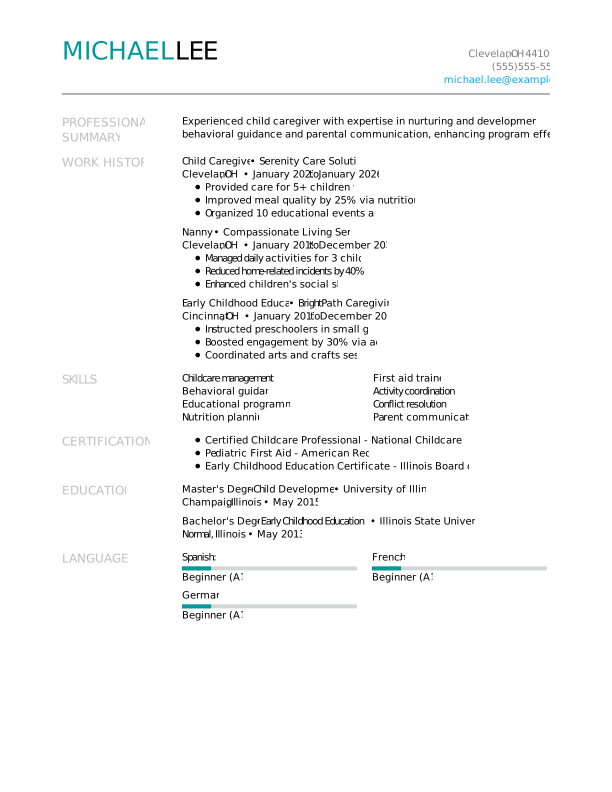
Entry-Level Child Caregiver Resume
This resume example effectively showcases the essential skills and relevant experience of career changers, making it an ideal choice for those transitioning into child caregiver roles.

Why this resume works:
A strong academic foundation shows the candidate is well-prepared to transition into this role.

Mid-Career Child Caregiver Resume
This resume example is perfect for child caregivers with experience who aspire to improve their skills and take on more specialized roles in early childhood education.
Why this resume works:
It highlights quantifiable achievements such as a 30% increase in children's engagement or enhancing parent communication strategies by 40%.

Experienced Child Caregiver Resume
This child caregiver resume example is perfect for experienced professionals looking to advance in leadership roles within childcare settings.
Why this resume works:
Leadership roles and advanced certifications underscore the ability to manage complex scenarios.

Looking for something else?
Create Your Standout Resume Today
Use our resume examples for inspiration on organization, color, and design—and learn how to effectively summarize your child caregiver skills and experience with confidence.
How to Write a Child Caregiver Resume
Mastering how to write a resume is important for showcasing your unique value as a child caregiver, rather than merely listing your qualifications. This approach allows you to highlight your personal experiences and the qualities that make you an exceptional job seeker.
In the upcoming sections, we will guide you through each step of crafting your resume, providing essential resume tips on formatting, emphasizing relevant skills, and presenting your experience effectively.
Start with your contact info
The header section contains all your contact information, prominently displayed at the top of your resume. Start with your name in a bold, larger font to ensure it stands out. You may also consider using a friendly yet professional font style that reflects the nurturing nature of the child caregiver role.
Next, include essential contact details such as your email address, phone number, and location; city and state are sufficient. This information is important for potential employers to reach you quickly and ensures you’re considered for positions in your area. Providing accurate details also helps with applicant tracking systems (ATS) during the hiring process.
Lastly, adding links to relevant certifications in childcare or first aid training can improve your profile significantly. If you have an online portfolio showcasing activities or projects related to child care, including that link can demonstrate your skills and experience effectively, making you a more attractive applicant for the position.
Write a strong professional summary
A professional summary serves as your introduction to potential employers, appearing right after your contact details. It forms the first impression they will have of you, so it's important to make it count.
In this brief section, highlight your key qualifications and skills while showcasing your passion for working as a child caregiver. Tailoring this summary to each job application demonstrates your genuine interest and ensures you stand out.
Use available resume summary examples as a guide for structuring and wording your own. These resources can inspire you to craft a compelling narrative that resonates with hiring managers.
Strong vs weak child caregiver summary
Strong

"Caring and reliable child caregiver with over four years of experience in nurturing and guiding young children. Adept at creating engaging educational activities that promote development, resulting in improved literacy and social skills among children. Skilled in meal preparation, hygiene maintenance, and emergency response, holding certifications such as CPR and First Aid. Praised for building strong relationships with families to ensure consistent care."
Why this example works: This summary effectively captures the applicant’s experience, showcases measurable achievements like improved literacy skills, highlights essential caregiving skills, and incorporates relevant keywords from childcare job descriptions.
Weak

"Child caregiver seeking a position to provide care and support to children. I have some experience in babysitting and enjoy spending time with kids."
Why this example doesn't work: This professional summary is weak because it uses vague language and fails to highlight specific skills, experiences, or achievements that demonstrate the applicant's qualifications for the role of a child caregiver.

Craft a personal mission statement that highlights your passion for nurturing and educating children, ensuring it reflects the values of the childcare organization. This connection will showcase how your dedication to child development extends beyond mere caregiving skills, improving the overall environment for both children and staff.
Share your work history
Your work history is, arguably, the central and most important part of your resume. List your most recent roles in reverse-chronological order. If you’ve held numerous positions, select the ones most relevant to the job you’re applying for.
When listing your work history, focus on:
- Job title and family name
- Dates of employment (month and year)
- Daily responsibilities (What tasks did you perform regularly?)
- Achievements and contributions (What did you accomplish? Did you foster learning or improve behavior?)
- Measurable results (Use numbers when possible, such as "increased child engagement by 30%.")
Finally, when detailing your experiences, use action verbs to make your achievements stand out.
Strong vs weak child caregiver work history
Strong
Child Caregiver, Bright Futures Childcare Center
2018–2023
- Supervised and engaged with a group of 15 children, implementing activities that boosted social skills and cooperation.
- Developed individualized learning plans for each child, resulting in a 40% improvement in developmental milestones.
- Maintained a safe and nurturing environment, leading to zero incidents reported during my tenure.
Why this example works: A strong work history highlights specific achievements and responsibilities that illustrate your capabilities. Including quantifiable outcomes and tailored approaches showcases both your expertise in child care and leadership skills.
Weak
Child Caregiver
Happy Kids Daycare
- Supervised children and planned activities.
- Helped with meals and snacks.
Why this example doesn't work: This entry is ineffective because it does not detail the age range of children cared for, lacks specific dates of employment, and provides vague descriptions that could apply to any caregiving position. It misses out on measurable outcomes or unique responsibilities, making it hard for employers to evaluate the job seeker's relevant skills and experience.
Showcase your leadership skills on your resume by including specific examples such as "Managed daily activities for a group of 6 children" or "Developed educational programs that improved child engagement." These instances highlight your ability to lead and support young children effectively.
Highlight your key skills
The skills section of your resume is essential for showcasing your strengths as a child caregiver. Here's a rundown of various skill types and their significance in improving your candidacy:
- Personal attributes like soft skills reflect how you connect with others, such as patience, creativity, and adaptability. For child caregivers, traits like strong communication and empathy are important because they help create a nurturing environment and build trust with children and their families.
- Hard skills are specific abilities acquired through training and hands-on experience in child caregiving. Examples include knowledge of child development, first aid and CPR certification, effective communication with children and parents, and the ability to create engaging educational activities.
- Having technical skills is essential for a child caregiver, which includes expertise in childcare management software like Care.com and Sittercity. Being familiar with first aid equipment and educational platforms such as ABCmouse can significantly improve your ability to deliver quality care.
For a child caregiver resume, new professionals should prominently list their skills section at the top to highlight their potential. Experienced caregivers can position this section following their work history, allowing practical experience to showcase skills effectively.
Top 15 skills for your child caregiver resume
When preparing your resume, it's important to choose skills that align with the needs of child caregiving. Focus on a mix of soft skills, such as patience and communication, along with hard skills like first aid and child development knowledge. Including transferable skills can also improve your appeal by showing you can adapt to different caregiving settings.
Here’s a list of the 15 most popular skills for child caregivers, based on insights from JobHero users. These skills will help demonstrate your qualifications and set you apart in this rewarding field.
Build your education section
When crafting your resume as a child caregiver, prioritize your education based on your experience level. For seasoned professionals with extensive hands-on experience, it's beneficial to highlight your work history prominently. If your roles do not demand specific educational qualifications, consider placing the education section lower on the resume or minimizing its details.
Conversely, if you are a recent graduate or transitioning into childcare from another field, emphasize your educational background. Position this section near the top of your resume and include relevant coursework or certifications that showcase your knowledge and skills in child care.
For specialized roles such as early childhood education, additional training or certifications should be highlighted. This demonstrates both commitment to the field and preparedness for the demands of caregiving responsibilities.
20 action verbs to add to your resume
Using action verbs in your resume as a child caregiver significantly improves its strength. These verbs help convey your experience clearly while also creating an engaging tone that captures attention.
It's important to select action verbs that resonate with the caregiving profession and align with the skills emphasized in job postings. This alignment ensures your qualifications stand out to hiring managers.
- Cared
- Nurtured
- Engaged
- Developed
- Facilitated
- Promoted
- Guided
- Encouraged
- Organized
- Planned
- Supported
- Assisted
- Supervised
- Evaluated
- Documented
- Communicated
- Trained
- Monitored
- Advocated
- Collaborated
Consider additional resume sections
Including optional sections in your resume can improve your profile and showcase the unique skills you bring to child caregiving. These additional segments allow potential employers to quickly identify your relevant experiences, training, and accomplishments beyond the basic information.
Here are optional sections commonly seen on child caregiver resumes:
- Childcare experience: Detail specific age groups you have worked with and any specialized care provided (infants, toddlers, special needs).
- Certifications: Include relevant certifications such as CPR, First Aid, or childcare-related coursework.
- Skills: Highlight specific skills like behavior management, communication techniques with children, or educational activities.
- Achievements: Describe any successes in improving children's development or satisfaction from families you've worked with.
- Professional affiliations: List memberships in organizations related to early childhood education or caregiving.
5 Tips for Formatting Your Resume
Proper resume formatting is important for job seekers looking to grab recruiters' attention. Using ATS-friendly resume templates not only improves readability but also increases the chances of passing through automated filters that many employers use.
1. Watch your line spacing and margins
Proper spacing helps your resume look clean and organized, allowing potential employers to easily navigate your qualifications. It's essential to strike a balance between readability and space efficiency. Here's what works best:
- Keep margins between 0.5″ to 1.0″, depending on how much content you have.
- Use single spacing between paragraphs and bullet points for clarity.
- Increase the space to 1.5″ or double-space between sections to differentiate them clearly.
2. Use a professional font
Choosing the resume font wisely is important because it influences first impressions. Stick to using these professional fonts:
- Arial
- Helvetica
- Calibri
- Garamond
- Verdana
- Times New Roman
Consider using a bolder or slightly larger font for your name at the top of the resume to help it stand out.
3. Organize your resume sections
A resume for a child caregiver should be clear and easy to follow. Use bullet points to outline your key duties and achievements effectively. Start each bullet with a strong action verb, such as "Supervised" or "Developed," to highlight your contributions. For instance, "Implemented educational activities that improved cognitive skills in children aged 3-5 by 20%" showcases both what you did and the positive outcome.
Focusing on measurable results can set you apart from others in caregiving roles. Quantify your impact wherever possible. An example could be, "Organized daily meal plans that adhered to dietary guidelines, resulting in a 100% satisfaction rating from parents."
To ensure compatibility with applicant tracking systems (ATS), use an ATS resume checker. This will help identify formatting issues and ensure you've included relevant keywords, improving your chances of getting noticed by employers.
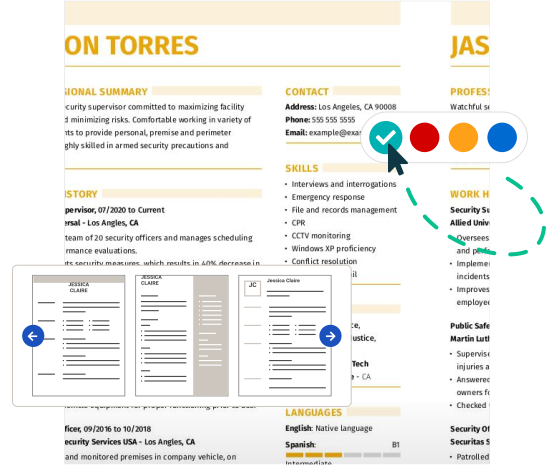
4. Use colors and design
Using color and design elements in your resume can make it more engaging and reflective of your personality as a child caregiver. A well-crafted resume not only stands out but also highlights your unique qualifications.
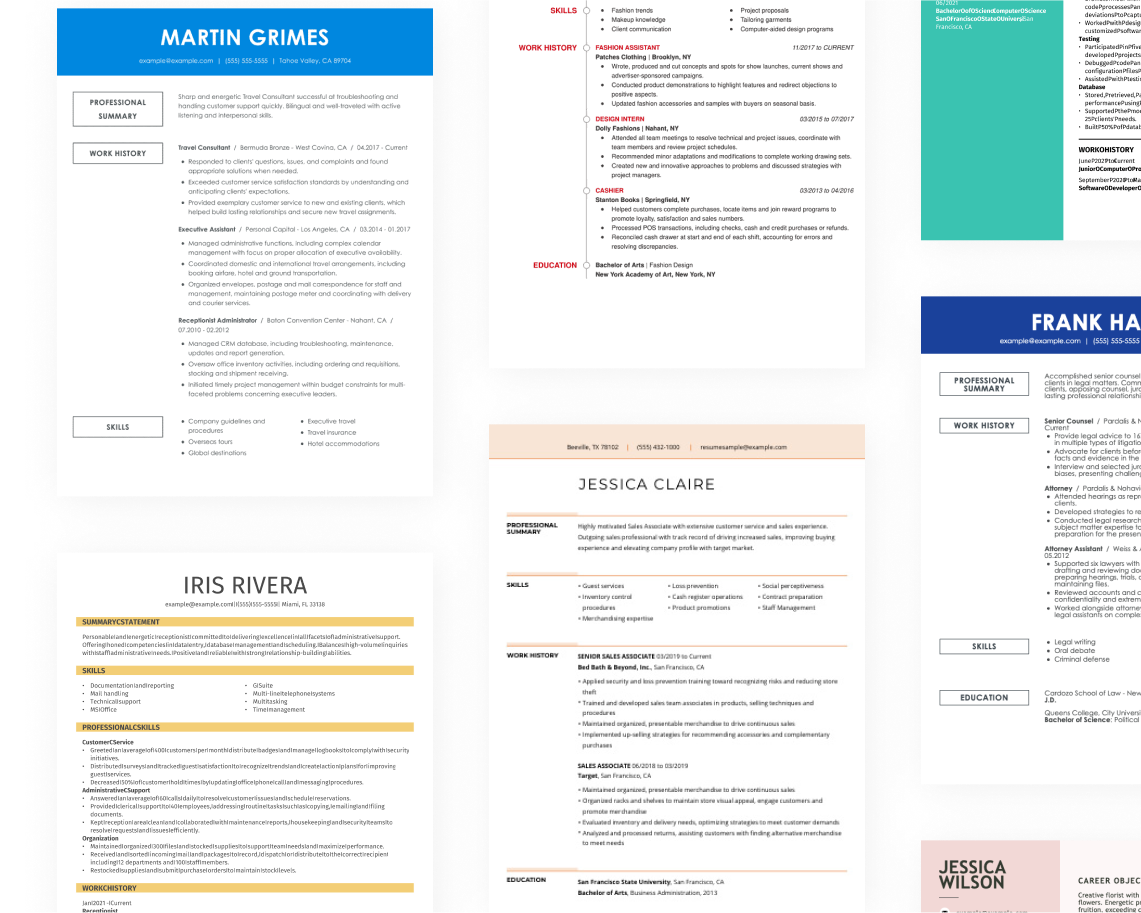
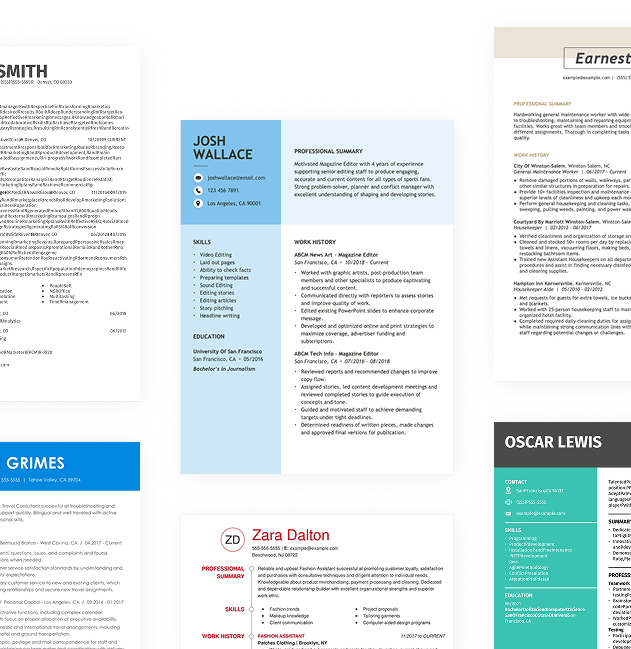
Begin by browsing pre-made resume templates to find one that matches your style while presenting information clearly. The combination resume format is particularly effective for caregivers, allowing you to feature a colored sidebar that emphasizes relevant skills next to your work history.
Next, select a professional color scheme that resonates with the caregiving profession. Soft pastels or muted earth tones can create a warm and inviting feel, suitable for child care roles. Consider using colors like light blue or gentle green at the top of your resume or to separate sections.
Be mindful to avoid overly bright colors that may be distracting or unprofessional. Additionally, steer clear of dark colors associated with serious industries, as they may not convey the nurturing aspect essential in child caregiving. Aim for a balance that reflects both professionalism and warmth in your design choices.
As a child caregiver, your resume is an opportunity to highlight not just your experience, but your nurturing qualities and creativity. Use warm colors and playful fonts to reflect the joyful nature of working with children while maintaining readability. Choose images or icons that resonate with childcare themes, like toys or nature, which can subtly illustrate your approach.
However, always consider the environment you are applying to. For instance, a daycare center may appreciate a vibrant look, whereas a private nanny position might prefer a more classic aesthetic. Tailor your design choices to match the values of the organization you’re targeting to create an appealing yet professional presentation.
5. Keep your resume length to 1-2 pages
Resumes should be clear, concise, and focused. Generally, keeping your resume to one page is ideal since hiring managers typically spend only a few seconds reviewing each application. Highlight the most relevant experiences and skills that align with the job you’re targeting. Avoid duplicating similar responsibilities across different roles to maintain clarity.
There are exceptions when a two-page resume or a CV is appropriate. For instance, if you possess extensive experience relevant to senior-level positions or academic roles, you may need additional space to fully convey your accomplishments. Always tailor your document to ensure it meets the expectations of the position while showcasing your strengths effectively.
FAQ
Do I need to include a cover letter with my resume?
Even if a cover letter isn’t required for your application, writing a cover letter can significantly improve your candidacy. It allows you to showcase your personality and provide context to your qualifications, helping you stand out in a competitive job market.
If you're looking for inspiration, explore our collection of cover letter examples tailored to various fields. When you're ready to craft your own, our user-friendly Cover Letter Builder offers step-by-step assistance that will guide you through the process seamlessly.
What is the best resume format?
The ideal resume format is the one that aligns best with your career stage and goals. There are three primary formats to explore: chronological, functional, and combination. Each of these options provides unique advantages depending on your experience level and job search objectives.
Chronological resumes highlight work history, making them a great choice for seasoned professionals eager to showcase their career progression. For those new to the workforce or pivoting careers, functional resumes prioritize skills and education. If you're a mid-career professional or transitioning industries, combination formats mix experience and skill sets effectively for a well-rounded presentation.
How long should my child caregiver resume be?
When crafting your child caregiver resume, aim for a single page, especially if you have less than 10 years of experience. Hiring managers often sift through many resumes quickly, so keeping it concise will highlight your key strengths effectively.
Emphasize relevant caregiving experiences, certifications in child development or first aid, and any specialized skills that relate to the position. Remove unrelated job details or outdated qualifications that don't showcase your ability to care for children.
Consider extending to two pages only if you have significant experience, such as working with special needs children or holding leadership roles in childcare settings. In those cases, the extra space can reflect your comprehensive expertise and valuable contributions.
What’s the difference between a resume and a CV?
A resume is typically a concise document, usually one page long, focused on highlighting your most relevant skills and experiences for a specific job. It’s ideal for positions in various industries where brevity and relevance are key.
In contrast, a CV (Curriculum Vitae) is much more extensive and can span two to six pages. It's primarily used in academic, educational, or research contexts and includes comprehensive details about your entire career history, education, publications, presentations, and other professional achievements.
To better grasp these distinctions and learn how to write a CV if needed in your field, check out some CV examples online!
Build a custom resume in minutes with our professional templates and expert tips.
Gabriela Hernandez
CPRW, Career WriterGabriela is a Certified Professional Resume Writer (CPRW) and member of the Professional Association of Resume Writers & Career Coaches and has worked in the career industry for more than four years providing comprehensive guidance on resume writing and job search strategies for individuals across diverse career paths. She holds a bachelor's in journalism and is passionate about helping job seekers present their professional story effectively through well-crafted resumes and cover letters that demonstrate their value, skills, and experience to potential employers. Some of her work has been featured on JobHero’s resume examples career center.
More Resources


By Gabriela Barcenas | CPRW, Career Writer


By Natalia Merced | CPRW, Career Writer



By Gabriela Barcenas | CPRW, Career Writer