-
-
Sort through our administrative resume examples to see what works best for you.
-
Our sales resume examples can help you write the best possible resume.
-
Explore our food service resume examples to show your skills effectively.
-
Start crafting your job-winning resume with our teaching resume examples.
-
-
-
Use our administrative cover letter examples for ideas on writing your own.
-
Use our sales cover letter examples to effectively show your sales accumen.
-
Write your job-winning cover letter following our nursing cover letter examples.
-
Learn to tell your story in education using our teaching cover letter examples.
-





- Our customers have been hired by*


Entry-Level Cook Resume
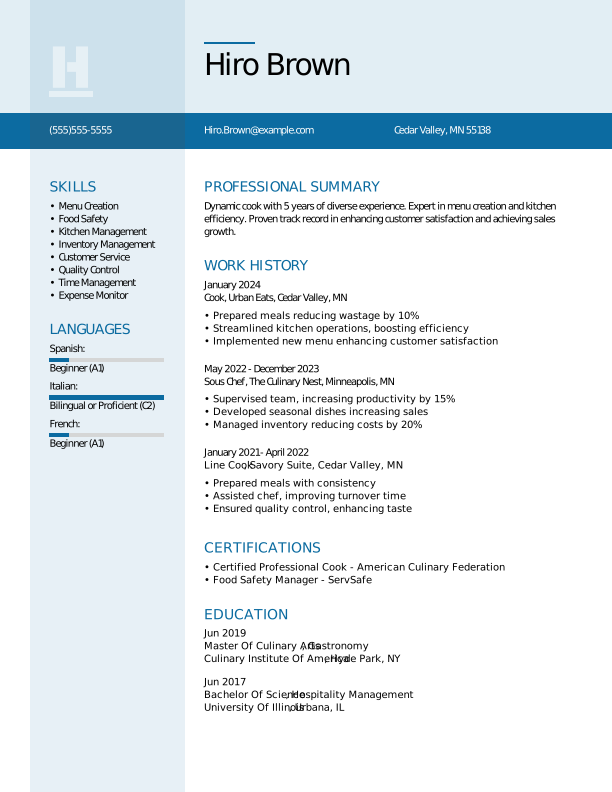
This resume example effectively demonstrates the culinary skills and experience of those career changers, making it an ideal showcase for individuals transitioning into cook positions from diverse backgrounds.

Why this resume works:
A strong academic foundation shows the candidate is well-prepared to transition into this role.

Mid-Career Cook Resume
This resume example is perfect for cooks with substantial experience who are eager to refine their culinary skills and take on more leadership responsibilities in the kitchen.
Why this resume works:
Mid-career cooks might highlight achievements like boosting kitchen efficiency by 15% through optimized workflows or cutting food waste by 20% via effective stock management. Additionally, designing a new menu could increase customer visits by 25%, demonstrating innovation and impact on guest satisfaction.

Experienced Cook Resume
This cook resume example showcases a wealth of experience and leadership potential, making it perfect for culinary professionals looking to advance their careers.
Why this resume works:
Leadership roles and advanced certifications underscore the ability to manage complex scenarios.

Looking for something else?
Create Your Standout Resume Today
Use our resume examples for inspiration on organization, color, and design—and learn how to effectively summarize your cook skills and experience with confidence.
How to Write a Cook Resume
Learning how to write a resume is important for showcasing your unique value as a cook rather than just listing your cooking credentials. By emphasizing your culinary skills, creativity, and experiences, you can create a memorable impression on potential employers.
In the upcoming sections, we will guide you through the steps of writing an effective resume. You’ll discover essential resume tips covering everything from structuring your information to highlighting your achievements in the kitchen.
Start with your contact info
The header section contains all your contact information, prominently displayed at the top of your resume. Start with your name in a bold, larger font to ensure it stands out. You can also use an appealing design element or color that aligns with the culinary theme, which helps capture attention effectively.
Next, include essential contact details such as your email address and phone number. While a full mailing address isn't necessary, providing at least your city and state is important for local job searches. This information allows potential employers to reach you easily and aids applicant tracking systems in sorting applicants by location.
Finally, consider adding links to relevant certifications or any culinary training programs you've completed, along with a personal website or online portfolio showcasing your dishes. These optional resources improve your application by demonstrating your skills and creativity in the kitchen, making you more memorable to hiring managers looking for cooks.
Write a strong professional summary
A professional summary serves as a brief introduction at the top of your cook resume, right after your contact details. This section is important as it sets the tone for your application and gives recruiters a quick glimpse of resume summary examples that work effectively.
In your summary, include key qualifications, relevant skills, and express your passion for cooking. Tailoring this section to match the specific job you're applying for can significantly improve your chances of standing out by aligning with inspiring resume summary examples.
To craft a powerful summary, explore various resources that showcase effective summaries tailored for cooks. These resume summary examples can guide you in developing a compelling narrative that highlights your strengths.
Strong vs weak cook summary
Strong

"Creative and passionate cook with over seven years of experience in fast-paced restaurant environments. Expert in menu development, food safety standards, and culinary techniques, consistently praised for innovative dishes that increase customer satisfaction. Proven track record of reducing food costs and minimizing waste through efficient kitchen management. Certified in ServSafe and recognized for leading a team to win 'Best Restaurant' awards."
Why this example works: This summary effectively describes the applicant's extensive experience, highlights measurable achievements such as cost reduction and awards, emphasizes key skills like menu development, and incorporates relevant culinary keywords.
Weak

"Cook looking for a position where I can prepare food and serve customers. I have some experience in a kitchen and like working with others."
Why this example doesn't work: This summary is weak because it is generic and lacks specific details about the cook's skills, experiences, or culinary techniques that would make them a strong job seeker.

Highlight your interpersonal skills, such as teamwork and adaptability, on your cook resume. Provide specific examples of how these abilities improved kitchen efficiency or improved collaboration with staff to show potential employers your value in a fast-paced environment.
Share your work history
Your work history is, arguably, the central and most important part of your resume. Listing your roles in reverse chronological order showcases your most recent experience first, allowing employers to quickly see your relevant skills and advancements. This format highlights your career trajectory and emphasizes your latest achievements.
When listing your work history, focus on:
- Job title and restaurant name
- Dates of employment (month and year)
- Daily responsibilities (What tasks did you perform regularly?)
- Achievements (Did you create a new dish or improve service times?)
- Quantifiable results (For example, "increased customer satisfaction ratings by 30%.")
Finally, make sure to use strong action verbs to vividly illustrate your contributions.
Strong vs weak cook work history
Strong
Cook, Gourmet Bistro
2018–2023
- Created over 150 unique recipes, increasing menu diversity and customer satisfaction by 40%.
- Managed kitchen staff of 10, improving productivity and reducing waste costs by 20%.
- Led culinary workshops that trained junior chefs, elevating their cooking skills within six months.
Why this example works: A compelling work history highlights specific tasks and accomplishments that showcase technical skill and leadership. Including quantifiable results such as increased customer satisfaction or reduced costs demonstrates your impact and expertise in the culinary field.
Weak
Cook
Downtown Diner
- Prepared food and cleaned the kitchen.
- Helped with serving customers.
Why this example doesn't work: This entry is weak because it does not specify the type of cuisine or cooking techniques used, lacks dates of employment, and describes vague tasks that could apply to any food service job.
If you have over 10 years of cooking experience, a chronological resume format is ideal for highlighting your culinary journey. This approach emphasizes the progression of your skills and roles in various kitchens, showcasing your depth of knowledge and professional growth effectively.
Highlight your key skills
The skills section of your resume is vital for showcasing your culinary strengths as a cook. Here's a rundown of various skill types and why they matter in the kitchen:
- Soft skills are personal attributes that show how you engage with others, including teamwork, creativity, and time management. For cooks, traits like communication and adaptability play an important role in ensuring smooth kitchen operations and improving the dining experience for customers.
- Hard skills for a cook include specific culinary techniques gained through training and hands-on experience. Examples are knife skills, food safety knowledge, recipe development, and expertise in different cooking methods like grilling or baking.
- Technical skills for cooks involve working with a variety of kitchen equipment and tools. For instance, using commercial ovens like Rational, food processors such as Robot Coupe, and point-of-sale systems like Square helps improve efficiency and streamline operations.
For aspiring cooks, highlighting your skills section at the top of your resume can showcase your culinary talents even if you have limited experience. If you've spent years in the kitchen, consider placing your skills after your work history to demonstrate how your experience supports those abilities.
Top 15 skills for your cook resume
To create an impressive resume, cooks should focus on skills that resonate with culinary roles. Combine soft skills like teamwork and creativity with hard skills such as food preparation and presentation techniques. Transferable skills, like time management and attention to detail, are also key to showing adaptability.
Below is a list of the 15 top skills for cooks, sourced from popular choices among JobHero users. These reflect the qualities employers seek in applicants and can give your resume the edge needed in this competitive industry.
Build your education section
The education section of your resume should reflect your experience level and the expectations of the culinary industry. For seasoned cooks with extensive work history, it is often best to minimize the emphasis on education. Consider placing this section towards the end or omitting less relevant details, particularly if you've gained valuable skills on-the-job.
Conversely, recent graduates or those entering specialized culinary fields should prioritize their educational achievements. Position this section prominently at the top of your resume to showcase degrees, diplomas, and any certifications that highlight your qualifications and commitment to the craft.
In addition, if you have completed relevant coursework or participated in notable culinary competitions, include these details to strengthen your application. Tailoring your education section effectively can set you apart in a competitive job market.
20 action verbs to add to your resume
Using action verbs in your resume as a cook improves its strength by effectively conveying your culinary experience and creating a dynamic tone. This approach not only highlights your achievements but also engages potential employers.
Select action verbs that resonate with the cooking profession, linking them to the skills outlined in job postings. This alignment demonstrates your suitability for the role and reinforces your qualifications.
- Prepared
- Cooked
- Seasoned
- Garnished
- Presented
- Timed
- Tasted
- Planned
- Organized
- Styled
- Executed
- Trained
- Supervised
- Served
- Invented
- Collaborated
- Maintained
- Quality-checked
- Adapted
- Innovated
Consider additional resume sections
While your core resume provides the most critical information, adding targeted sections can showcase your unique qualifications. These sections help hiring managers quickly identify your culinary skills, experience, and achievements beyond standard resume sections.
Here are optional sections we tend to see on cook resumes:
- Culinary specialties: List specific cuisines or cooking techniques you excel in (Italian, pastry, grilling, etc.) to demonstrate your expertise.
- Certifications and training: Detail relevant certifications such as ServSafe or culinary school credentials that validate your skills.
- Professional development: Highlight any recent workshops or courses that reflect your commitment to improving your culinary knowledge.
- Awards and recognition: Mention any accolades you've received for your cooking skills or contributions to food service.
- Memberships and affiliations: Include memberships in professional culinary organizations that demonstrate your dedication to the field.
5 Tips for Formatting Your Resume
Proper resume formatting is important for job seekers to capture the attention of recruiters and effectively navigate applicant tracking systems. Using ATS-friendly resume templates ensures that your application stands out while meeting the necessary formatting standards to pass through filters seamlessly.
1. Watch your line spacing and margins
Proper spacing helps your resume look clean and organized, making it easier for hiring managers to read. A well-spaced resume can highlight your experience without overwhelming the reader. Here’s what works best:
- Keep margins between 0.5″ to 1.0″ to ensure enough white space.
- Use single spacing between paragraphs and bullet points for clarity.
- Increase the space to 1.5″ or double-space between sections to clearly separate different parts of your resume.
2. Use a professional font
Selecting the right resume font significantly impacts its readability and professional appearance. Consider using these professional fonts:
- Helvetica
- Garamond
- Verdana
- Cambria
- Trebuchet MS
- Courier New
To make your name prominent at the top of your resume, opt for a slightly bolder or larger font to improve visibility.
3. Organize your resume sections
A resume for a cook should be clear and easy to skim. Using bullet points is an effective way to showcase your culinary skills and achievements. Start each bullet with a strong action verb, such as "Created" or "Prepared," followed by specific tasks or notable accomplishments. For example, "Developed seasonal menu items that increased customer satisfaction scores by 20%" clearly highlights your contribution.
Focusing on measurable results is important in demonstrating your impact in the kitchen. Include metrics where possible, like "Reduced food waste by 15% through improved inventory management," which shows potential employers your efficiency and commitment to sustainability.
To ensure your resume meets ATS standards, make use of an ATS resume checker. This tool can help you identify any formatting issues or missing keywords, making sure that your application is optimized for electronic screening processes.
4. Use colors and design
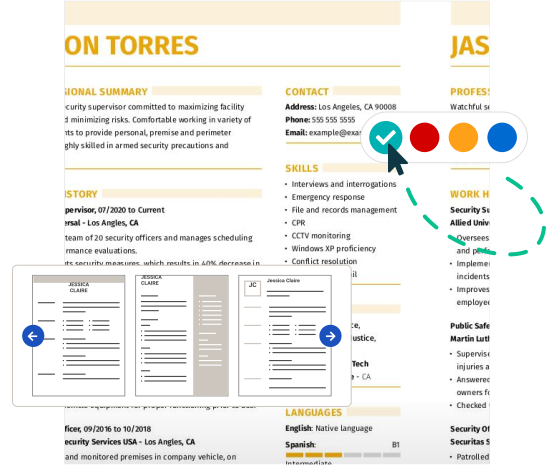
Adding color and design elements to your resume can make it stand out and reflect your culinary style. A thoughtfully designed resume not only attracts attention but also organizes information for easy navigation.
Begin by searching for pre-made resume templates that resonate with your personality as a cook. The combination resume format is particularly effective, featuring a colored section that highlights your skills alongside your work experience, making it easier for employers to see your strengths.
Next, choose an appropriate color scheme. Opt for colors that evoke a sense of professionalism and creativity—think earthy tones like olive green or warm shades like terracotta. These hues can create an inviting aesthetic while keeping the focus on your qualifications.
Avoid using bright or flashy colors that might overshadow the content or compromise readability. Additionally, steer clear of colors associated with competitors or those that may clash with the culinary environment you're targeting. Prioritize clarity and professionalism to ensure your resume makes a strong impression in the culinary field.
As a cook, your resume can reflect your culinary creativity while maintaining professionalism. Using vibrant colors and unique layouts can showcase your personality and cooking style, making your application memorable. However, it's important to align these design choices with the type of establishment you're applying to.
For instance, a trendy bistro might appreciate a playful design with bold colors, while a fine dining restaurant may favor a more refined, elegant aesthetic. Incorporating elements like food-themed icons or creative typography can improve your resume's visual appeal without overshadowing its content. Ultimately, let your passion for food shine through while keeping the layout clean and easy to read.
5. Keep your resume length to 1-2 pages
Resumes should typically be one page for clarity and impact. Recruiters review numerous resumes, often in under 10 seconds, so brevity is essential. Focus on showcasing positions and experiences that align closely with the job you want. Highlight your most relevant achievements without redundancy across roles.
In certain instances, like senior-level positions or specialized fields, extending to two pages may be necessary to adequately convey your qualifications. For academic careers or research-focused roles, consider using a CV instead of a traditional resume, as it allows for greater detail about publications and presentations.
Keep your content concise and relevant to increase your chances of standing out in the hiring process.
FAQ
Do I need to include a cover letter with my resume?
Crafting a cover letter is a smart move, even when it’s not mandatory. It allows you to showcase your unique qualifications and personality, which can differentiate you from other job seekers. By writing a cover letter, you add essential context that highlights your fit for the role.
If you're unsure where to start, explore our collection of cover letter examples. They provide valuable insights and inspiration tailored to various industries. Additionally, once you feel inspired, check out our Cover Letter Builder for easy step-by-step guidance in creating your own standout document.
What is the best resume format?
Choosing the right resume format depends on your unique career situation and goals. The three primary formats are chronological, functional, and combination, each catering to different types of job seekers.
The chronological format is ideal for those with extensive experience as it emphasizes work history. On the other hand, the functional format focuses on skills and qualifications, making it suitable for recent graduates or individuals changing careers. The combination format works well for mid-career professionals by mixing both experience and skills to present a comprehensive view of their qualifications.
How long should my Cook resume be?
As a cook, your resume should ideally be one page. Hiring managers often sift through numerous applications quickly, so a concise and well-structured single page allows your culinary skills and experience to shine without overwhelming them.
Highlight your most relevant cooking experiences, including specific cuisines you excel in, certifications, and any notable achievements such as awards or recognitions. Focus on recent positions that demonstrate your ability to work in fast-paced environments and collaborate with kitchen teams. Remove outdated roles or unrelated job details that may distract from your culinary qualifications.
Consider using a two-page resume only if you have extensive experience in various kitchens or specialize in multiple culinary areas. In these cases, additional space can effectively showcase your diverse talents and professional journey.
Should I use the same resume for every job?
Using the same resume for all job applications is not advisable. Customizing your resume can greatly increase your chances of landing an interview. Focus on tweaking key sections to reflect the specific skills and experiences that align with each job description.
Integrate relevant keywords that employers are looking for, particularly those highlighted in the job posting. This is important because many companies use applicant tracking systems (ATS) to filter resumes based on these keywords before they reach a hiring manager. Tailoring your resume shows genuine interest in the position and helps you stand out from other applicants.
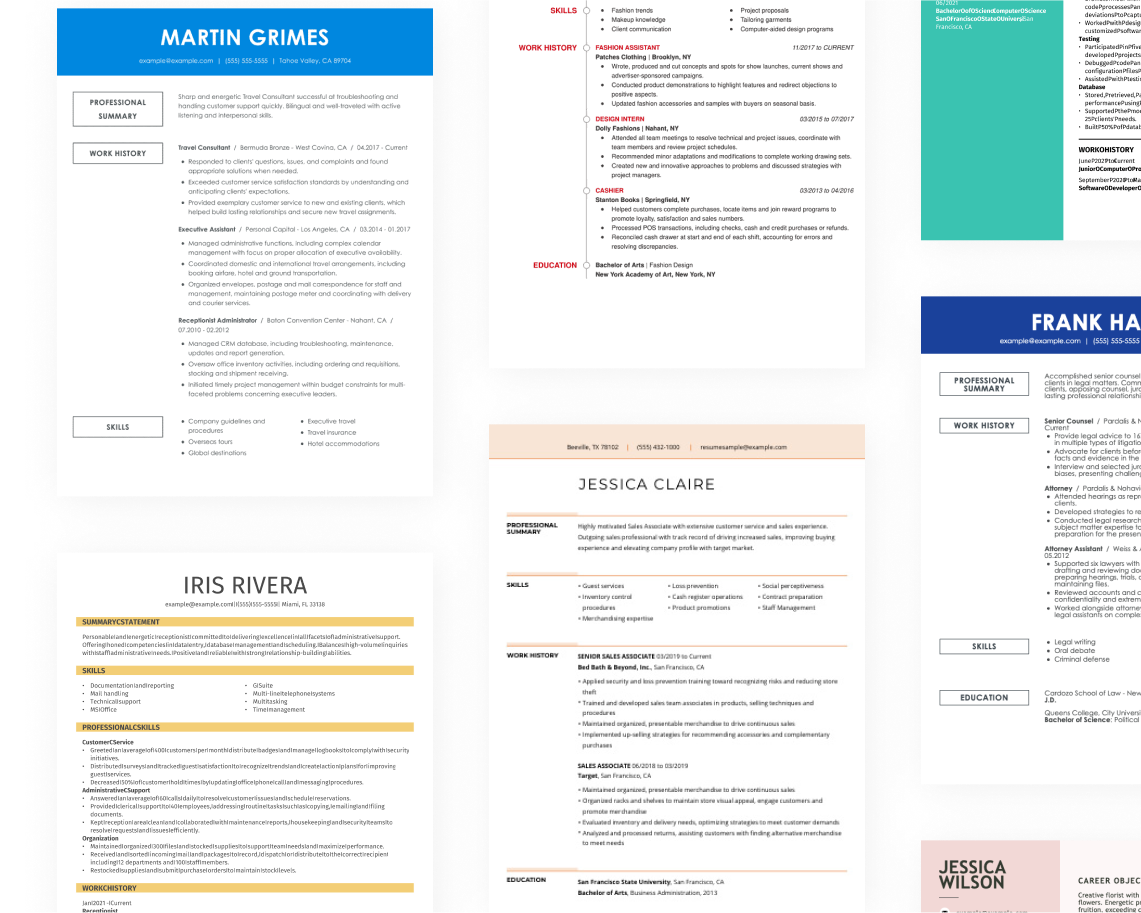
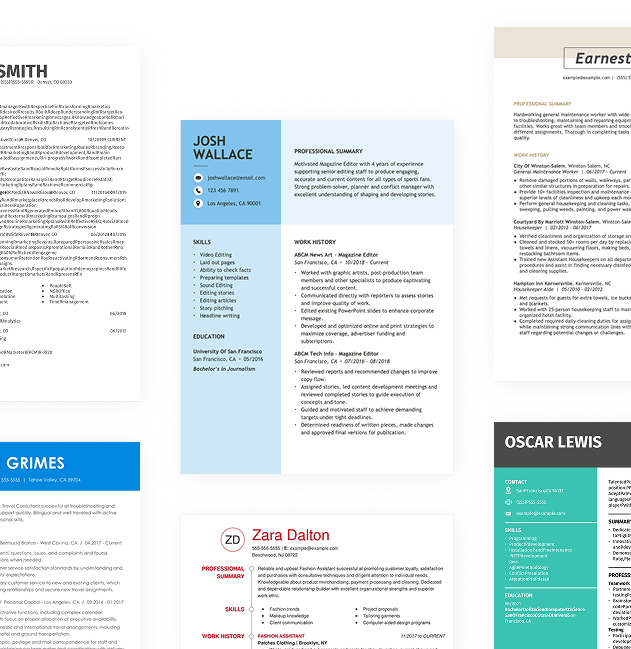
Build a custom resume in minutes with our professional templates and expert tips.
Gabriela Hernandez
CPRW, Career WriterGabriela is a Certified Professional Resume Writer (CPRW) and member of the Professional Association of Resume Writers & Career Coaches and has worked in the career industry for more than four years providing comprehensive guidance on resume writing and job search strategies for individuals across diverse career paths. She holds a bachelor's in journalism and is passionate about helping job seekers present their professional story effectively through well-crafted resumes and cover letters that demonstrate their value, skills, and experience to potential employers. Some of her work has been featured on JobHero’s resume examples career center.
More Resources


By Gabriela Barcenas | CPRW, Career Writer


By Natalia Merced | CPRW, Career Writer



By Gabriela Barcenas | CPRW, Career Writer