-
-
Sort through our administrative resume examples to see what works best for you.
-
Our sales resume examples can help you write the best possible resume.
-
Explore our food service resume examples to show your skills effectively.
-
Start crafting your job-winning resume with our teaching resume examples.
-
-
-
Use our administrative cover letter examples for ideas on writing your own.
-
Use our sales cover letter examples to effectively show your sales accumen.
-
Write your job-winning cover letter following our nursing cover letter examples.
-
Learn to tell your story in education using our teaching cover letter examples.
-






- Our customers have been hired by*


Entry-Level Heavy Truck Driver Resume
This resume example effectively demonstrates the skills and accomplishments of career changers, making it a strong choice for those transitioning into heavy truck driver positions with relevant experience.

Why this resume works:
A skills-focused resume format is beneficial for new heavy truck drivers, those returning from a break, or individuals switching careers. This method allows job seekers to showcase vital skills such as defensive driving and route optimization instead of stressing employment gaps or limited experience in the field.

Mid-Career Heavy Truck Driver Resume
This resume example is perfect for heavy truck drivers with several years of experience, eager to advance their careers and specialize in logistics efficiency and safety management.
Why this resume works:
Mid-career heavy truck drivers can highlight accomplishments like maintaining a 98% on-time performance over three years or reducing transport costs by 12% through optimized routing. They may also emphasize managing over 150 loads monthly, achieving a remarkable 99% delivery success rate while ensuring safety compliance at all times.

Experienced Heavy Truck Driver Resume
This heavy truck driver resume example is perfect for experienced professionals ready to elevate their careers into supervisory or managerial roles.
Why this resume works:
Leadership roles and advanced certifications underscore the ability to manage complex scenarios.

Looking for something else?
Create Your Standout Resume Today
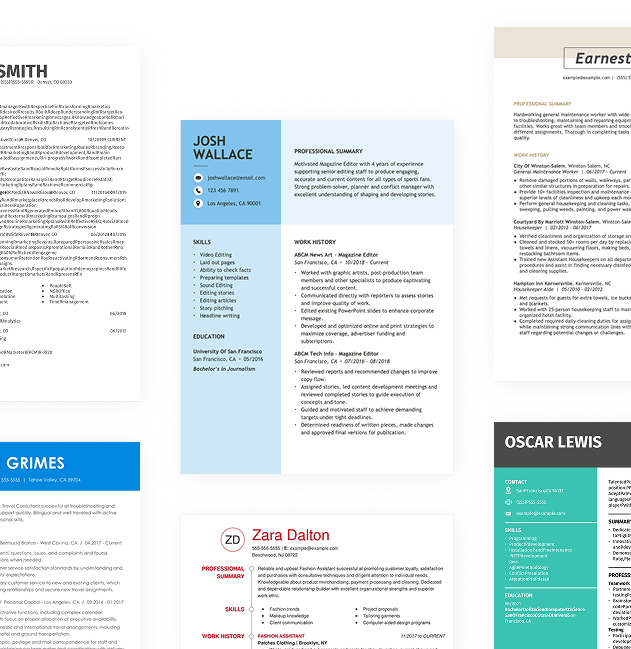
Use our resume examples for inspiration on organization, color, and design—and learn how to effectively summarize your heavy truck driver skills and experience with confidence.
How to Write a Heavy Truck Driver Resume
Learning how to write a resume is important for showcasing your unique value as a heavy truck driver, rather than just listing your driving experience and certifications. By emphasizing your skills and accomplishments, you can create an effective impression on potential employers.
In the following sections, we will provide step-by-step guidance with resume tips specifically for trucking positions. You’ll discover essential advice on structuring your resume, highlighting relevant experiences, and making it stand out in the competitive job market.
Start with your contact info
The header section contains all your contact information, prominently displayed at the top of your resume. Start with your name in a bold, larger font to ensure it grabs attention. You may also want to use a contrasting color or an engaging layout that reflects your professional demeanor as a heavy truck driver.
Next, include essential contact details such as your email address, phone number, and location; city and state will suffice. This information is vital for employers who need to reach you quickly and helps applicant tracking systems identify potential applicants based on their geographical area.
Finally, consider adding links to any relevant certifications or training programs you've completed, as well as a personal website if applicable. These additional resources can improve your profile by showcasing your qualifications and demonstrating your commitment to safety and professionalism in the trucking industry.
Write a strong professional summary
A professional summary serves as your introduction on a heavy truck driver resume, appearing right below your contact details. This section is important because it sets the tone for your application and is often the first thing potential employers see.
When crafting your summary, focus on highlighting relevant qualifications, key skills, and your passion for driving. Tailoring this section to align with the specific job description can significantly improve its impact.
Consider reviewing various resume summary examples tailored for heavy truck drivers. These resources can guide you in structuring and wording your summary effectively, ensuring it resonates with hiring managers.
Strong vs weak heavy truck driver summary
Strong

"Experienced heavy truck driver with over seven years in long-haul transportation and a proven track record of delivering freight on time and safely. Skilled in route planning, vehicle maintenance, and compliance with DOT regulations, consistently achieving high safety ratings. Certified in hazardous materials handling and defensive driving. Recognized for exceptional customer service and reliability during transportation assignments."
Why this example works: This summary effectively describes the job seeker's extensive experience, highlights measurable achievements like high safety ratings, emphasizes skills specific to truck driving such as route planning and compliance, and incorporates relevant keywords from trucking job descriptions.
Weak

"Heavy truck driver seeking employment where I can use my driving skills and help transport goods. I have experience in the industry and enjoy being part of a team."
Why this example doesn't work: This professional summary is weak because it lacks specific details about the driver's qualifications, measurable achievements, and technical skills relevant to the role of a heavy truck driver.

Craft a personal mission statement that links your experience and reliability as a heavy truck driver to the company's commitment to safety and efficiency. Emphasize how your dedication improves their operational goals, extending beyond just driving skills.
Share your work history
Your work history is, arguably, the central and most important part of your resume. Listing your experience in reverse chronological order allows hiring managers to see your most relevant positions first. This format emphasizes your skills and progression in the heavy truck driving field.
When listing your work history, focus on:
- Job title and company name
- Dates of employment (month and year)
- Daily responsibilities (What duties did you perform regularly?)
- Achievements and contributions (Did you ensure timely deliveries or improve safety protocols?)
- Quantifiable results (For example, "completed 95% of deliveries on time.")
Finally, use strong action verbs to convey your accomplishments effectively.
Strong vs weak heavy truck driver work history
Strong
Heavy Truck Driver, Reliable Freight Co.
2018–2023
- Transported goods across over 300,000 miles safely while maintaining a clean driving record.
- Conducted pre-trip and post-trip vehicle inspections, identifying and resolving mechanical issues to ensure compliance with safety regulations.
- Managed delivery schedules effectively, improving on-time deliveries by 25% through route optimization.
Why this example works: A strong work history for a heavy truck driver highlights specific achievements and responsibilities that showcase your driving skills and reliability. Including quantifiable results illustrates your impact on efficiency and safety, making you a more attractive applicant.
Weak
Heavy Truck Driver
ABC Logistics
- Delivered goods and maintained vehicle.
- Followed routes as instructed.
Why this example doesn't work: This entry is weak due to its lack of specificity regarding the types of goods delivered or any measurable achievements.
Showcase your leadership skills as a heavy truck driver by including examples such as "Trained and mentored new drivers on safety protocols" or "Oversaw vehicle maintenance schedules to ensure compliance." These specifics highlight your capacity to lead and maintain high standards in transportation operations.
Highlight your key skills
The skills section of your resume is essential for demonstrating your qualifications as a heavy truck driver. Here's a rundown of key skills and their significance in ensuring safe and efficient operations on the road:
- Soft skills encompass personal attributes that reflect how you engage with others, including communication, teamwork, and problem-solving. For heavy truck drivers, qualities like attention to detail and patience are key as they ensure safety on the road and effective collaboration with dispatchers and other team members.
- Hard skills are specific driving abilities developed through training and experience. For a heavy truck driver, these include skill in operating large vehicles, knowledge of safety regulations, cargo handling skills, and familiarity with vehicle maintenance procedures.
- For heavy truck drivers, technical skills include operating complex vehicle systems and navigation technology. Relevant tools include GPS fleet management software like Omnicomm, electronic logging devices such as KeepTruckin, and advanced safety systems like lane departure warning systems found in modern trucks.
For new heavy truck drivers, it's recommended to place your skills section near the top of your resume. This highlights your capabilities despite limited experience. Experienced drivers should position this section after their work history, as their proven track record effectively showcases their skills.
Top 15 skills for your heavy truck driver resume
When preparing your resume as a heavy truck driver, it’s essential to showcase skills that align with industry standards. Focus on a mix of hard skills, such as vehicle operation and maintenance, along with soft skills like communication and reliability. Including transferable skills can also demonstrate your adaptability in different driving roles or industries.
Here’s a list of the 15 most popular skills for heavy truck drivers, based on insights from JobHero users. Highlighting these key abilities can help make your resume stand out and show employers you are well-equipped for the demands of the job.
Build your education section
The education section of a heavy truck driver's resume varies based on experience. Seasoned drivers with years behind the wheel should emphasize their driving history and achievements over educational details. In many cases, this means placing education towards the end or minimizing it altogether unless specific training is relevant to the job.
For those newer to the industry, such as recent graduates from trucking school, education holds significant weight. Highlight your degree or certifications prominently at the top of your resume. Including specialized training and any relevant courses can set you apart in a competitive market.
In niche areas like hazardous materials transport or fleet management, showcasing educational credentials becomes even more important. Focus on specific licenses and endorsements that demonstrate your qualifications for these specialized roles, ensuring they are easily visible to hiring managers.
20 action verbs to add to your resume
Using action verbs in your resume as a heavy truck driver improves its strength by effectively communicating your experience and creating an engaging tone. These verbs make your duties and accomplishments more vivid, allowing potential employers to grasp your impact quickly.
When selecting these verbs, focus on ones relevant to the trucking industry and ensure they align with key skills highlighted in job listings. This targeted approach showcases your qualifications and matches the employer's expectations.
- Operated
- Transported
- Inspected
- Navigated
- Executed
- Scheduled
- Monitored
- Maintained
- Collaborated
- Delivered
- Communicated
- Adhered
- Assisted
- Documented
- Coordinated
- Trained
- Evaluated
- Managed
- Supported
- Ensured
Consider additional resume sections
In addition to the core details of your resume, including optional sections can highlight your distinctive qualifications. These sections allow employers to quickly identify your skills, experience, and accomplishments that go beyond standard resume components.
Here are optional sections we often see on heavy truck driver resumes:
- Driving experience: Detail the types of vehicles you have operated and the distances covered, showcasing your driving history.
- Licenses and certifications: List necessary licenses such as CDL endorsements and any specialized training relevant to heavy trucking.
- Safety records: Highlight your safety achievements, accident-free miles driven, or recognition for safe driving practices.
- Route familiarity: Include knowledge of specific routes or regions you've frequently driven to demonstrate expertise.
- Professional memberships: Mention any affiliations with trucking organizations that reflect commitment to the profession.
5 Tips for Formatting Your Resume
Proper resume formatting is important for job seekers to grab a recruiter's attention and effectively showcase their qualifications. Using ATS-friendly resume templates can significantly improve your chances of passing through automated filters while keeping your content organized and visually appealing.
1. Watch your line spacing and margins
Proper spacing helps your resume look clean and organized, making it easier for hiring managers to read through your qualifications. Achieving the right balance ensures that your content stands out without overwhelming the reader. Here's what works best:
- Keep margins between 0.5″ to 1.0″ for a balanced appearance.
- Use single spacing between paragraphs and bullet points for clarity.
- Increase space to 1.5″ or double-space between sections to distinguish different areas of your resume.
2. Use a professional font
Choosing the appropriate resume font is essential because it affects readability and first impressions. Consider selecting these professional fonts:
- Helvetica
- Garamond
- Verdana
- Tahoma
- Cambria
- Bookman
Consider using a slightly bolder or distinct font style for your name at the top to draw attention and add a personal touch.
3. Organize your resume sections
A resume for a heavy truck driver should be clear and easy to scan. Use bullet points to outline your driving experience, responsibilities, and achievements. Start each bullet with a strong action verb, such as "Transported" or "Inspected," followed by specific details about your role. For example, describing how you "Transported goods across 500+ miles weekly with zero accidents" showcases your reliability and safety record.
Highlight measurable accomplishments to stand out among applicants. For instance, detailing how you "Reduced fuel consumption by 15% through efficient route planning" demonstrates not only what you did but also how it positively impacted operations.
To ensure your resume is ATS-compatible, use an ATS resume checker. This will confirm that keywords related to heavy truck driving are included and that the format meets industry standards for automated screening systems.
4. Use colors and design
Using color and design elements in your resume can significantly improve its effectiveness and make it stand out to potential employers. A well-crafted resume not only conveys your qualifications but also reflects your personality as a heavy truck driver.
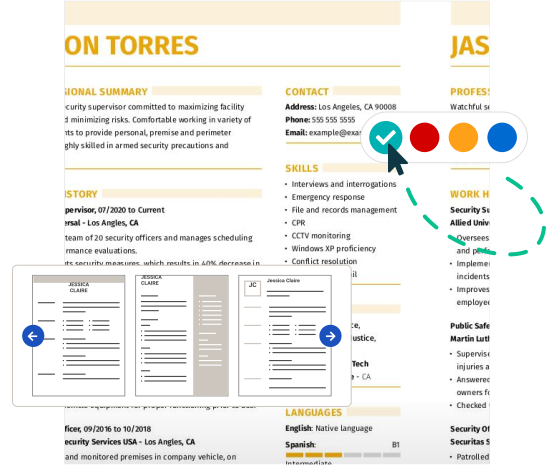
Begin by selecting a resume template that suits your style and the information you wish to present. The combination resume format is particularly useful, as it features a dedicated section for skills, which can be highlighted with a colored sidebar alongside your work history.
Once you've chosen a template, focus on picking an appropriate color scheme. Opt for professional colors like dark blue or gray that resonate with the transportation industry. These tones can be used subtly throughout the document to maintain a clean look while drawing attention to important sections.
Be mindful of avoiding bright or clashing colors that might detract from readability. Additionally, steer clear of any color schemes that could resemble those of competing companies in the trucking field. The goal is to create a polished and inviting resume that clearly showcases your expertise and experience.
As a heavy truck driver, maintaining an efficient and professional resume is key to showcasing your driving skills and reliability. Consider using clear headings and bullet points to present your experience and qualifications effectively. Highlight specific metrics, such as miles driven or safety records, to demonstrate your capabilities.
Additionally, tailor your resume format to fit the company or industry you're targeting. For example, a logistics firm may appreciate a clean, straightforward layout that emphasizes safety and efficiency, while a more innovative transportation startup might welcome a modern touch with unique design elements that reflect adaptability and forward-thinking.
5. Keep your resume length to 1-2 pages
Resumes should typically be one page long. This length allows you to present your qualifications clearly and succinctly, which is essential since recruiters often spend only seconds reviewing each resume. Focus on the most relevant experience and skills related to the heavy truck driver position. Highlight your driving history, certifications, and safety records while omitting older or irrelevant roles.
In certain situations, it may be appropriate to extend your resume to two pages. If you have extensive experience with various companies or specialized training that showcases your expertise in the trucking industry, a longer format can help you stand out. For academic or highly technical roles, consider using a CV instead of a standard resume to provide a comprehensive overview of your qualifications.
FAQ
Do I need to include a cover letter with my resume?
Even if a cover letter isn’t required, writing a cover letter can significantly improve your application. It offers you the chance to showcase your skills and experience in a personalized way, making you more memorable to potential employers.
To help craft a compelling letter, explore our collection of cover letter examples for inspiration tailored to various industries. Once you're ready to start writing yours, consider using our Cover Letter Builder for easy guidance through each step.
What is the best resume format?
Choosing the right resume format is important and depends on your personal career situation. The three main formats are chronological, functional, and combination, each serving different needs for job seekers.
The chronological format is ideal for those with extensive work history, as it showcases experience prominently. In contrast, the functional format emphasizes transferable skills and education, making it suitable for newcomers to the workforce. Lastly, a combination resume balances both work experience and skills, fitting well for mid-career professionals or those changing fields seeking to highlight relevant abilities alongside their employment history.
How long should my Heavy Truck Driver resume be?
As a heavy truck driver, your resume should ideally be one page long. Recruiters in the transportation industry often sift through numerous resumes quickly, so keeping it concise helps highlight your essential qualifications.
Emphasize your most relevant driving experience, licenses, and any specialized training you possess. Focus on recent positions that demonstrate your ability to handle long-haul routes or specific freight types. Remove outdated certifications, irrelevant work history, or detailed descriptions of non-driving roles.
A two-page resume may be appropriate if you have extensive experience in the trucking industry, multiple endorsements, or are applying for a supervisory position. In such cases, showcasing your diverse skills and achievements can warrant the additional space.
How far back should my work history go?
When updating your resume, aim to include work experience from the last 10 years. This guideline keeps your information relevant and focused. If you have a long driving history or multiple roles, omit earlier positions that don’t relate to heavy truck driving. Highlight jobs that showcase your skills and achievements in this field to make your application more compelling.
Should I use the same resume for every job?
Customizing your resume for each job application is essential. Using a generic resume can lead to missed opportunities because it may not highlight the skills and experiences that matter most to the employer. Tailor your resume by adjusting keywords from the job description, showcasing relevant experience, and matching the required qualifications. This is particularly important since many companies use applicant tracking systems (ATS) that filter resumes based on specific terms. A well-crafted, targeted resume will stand out in both ATS scans and human reviews, increasing your chances of landing an interview.
Build a custom resume in minutes with our professional templates and expert tips.
Gabriela Hernandez
CPRW, Career WriterGabriela is a Certified Professional Resume Writer (CPRW) and member of the Professional Association of Resume Writers & Career Coaches and has worked in the career industry for more than four years providing comprehensive guidance on resume writing and job search strategies for individuals across diverse career paths. She holds a bachelor's in journalism and is passionate about helping job seekers present their professional story effectively through well-crafted resumes and cover letters that demonstrate their value, skills, and experience to potential employers. Some of her work has been featured on JobHero’s resume examples career center.
More Resources


By Gabriela Barcenas | CPRW, Career Writer


By Natalia Merced | CPRW, Career Writer



By Gabriela Barcenas | CPRW, Career Writer