-
-
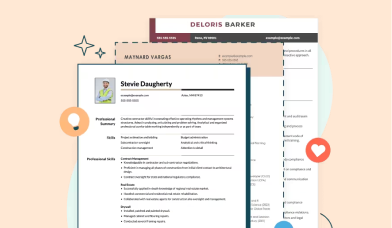
Sort through our administrative resume examples to see what works best for you.
-
Our sales resume examples can help you write the best possible resume.
-
Explore our food service resume examples to show your skills effectively.
-
Start crafting your job-winning resume with our teaching resume examples.
-
-
-
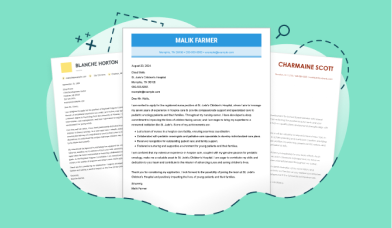
Use our administrative cover letter examples for ideas on writing your own.
-
Use our sales cover letter examples to effectively show your sales accumen.
-
Write your job-winning cover letter following our nursing cover letter examples.
-
Learn to tell your story in education using our teaching cover letter examples.
-






- Our customers have been hired by*


Entry-Level Sciences Resume
This resume example highlights technical skills and relevant experiences, making it ideal for recent graduates and career changers looking to enter the sciences field.

Why this resume works:
A strong academic foundation shows the candidate is well-prepared to transition into this role.

Mid-Career Sciences Resume
This resume example is perfect for scientists with a solid foundation in research looking to leverage their skills and experiences into more advanced or specialized scientific roles.
Why this resume works:
This applicant highlights a track record of improving outcomes across multiple settings.

Experienced Sciences Resume
This sciences resume example highlights a professional with extensive experience and proven achievements, making it perfect for those pursuing senior roles in scientific research.
Why this resume works:
Leadership roles and advanced certifications underscore the ability to manage complex scenarios.

Looking for something else?
Create Your Standout Resume Today
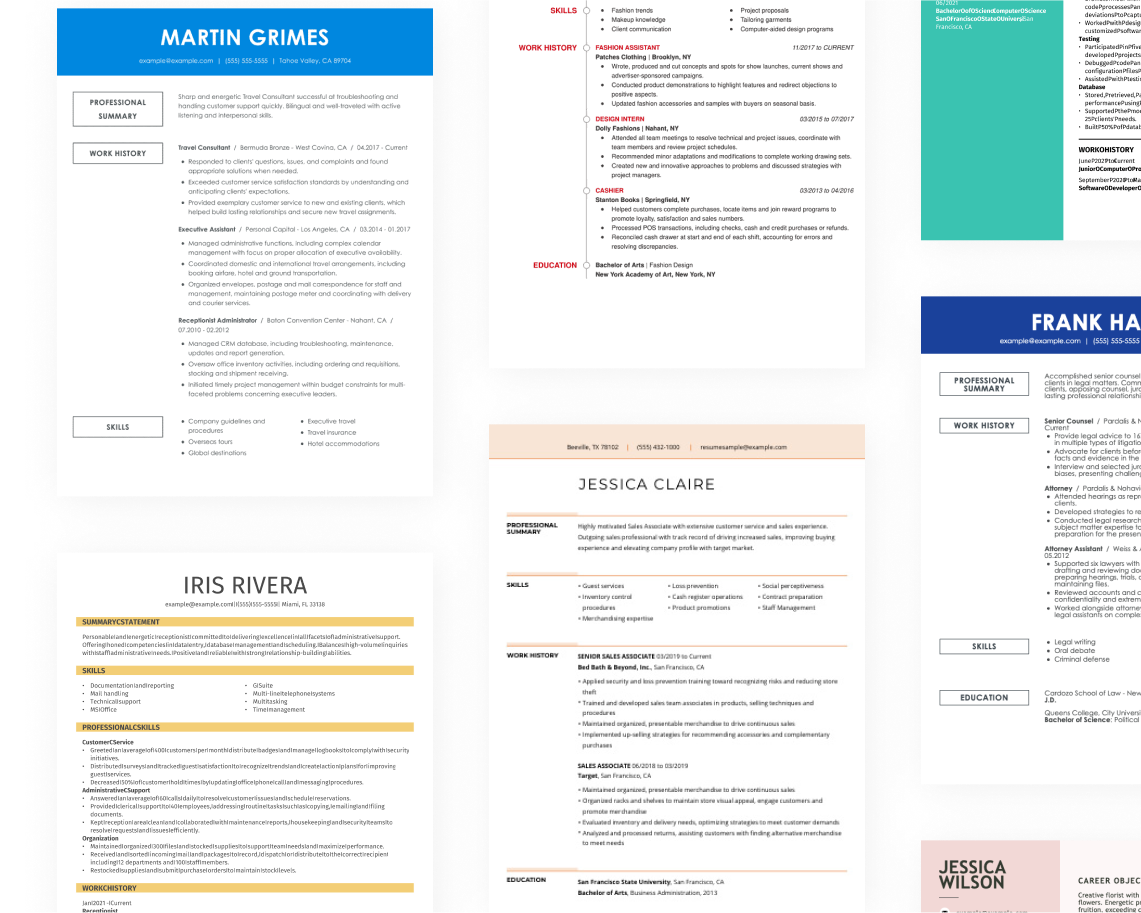
Use our resume examples for inspiration on organization, color, and design—and learn how to effectively summarize your sciences skills and experience with confidence.
How to Write a Sciences Resume
Learning how to write a resume is essential for showcasing your unique value as a registered nurse, going beyond simply listing your credentials. A well-crafted resume highlights your skills and experiences that set you apart in the healthcare field.
In the sections that follow, you'll discover step-by-step guidance on resume tips, including organizing your contact information, detailing your work history, and presenting your education to create a powerful document.
Start with your contact info
The header section contains all your contact information and should be prominently displayed at the top of your resume. Start with your name in a bold, larger font to ensure it catches the eye of recruiters quickly. Consider using a clean design that improves readability and reflects professionalism.
Include essential details like your email address, phone number, and location. While providing your complete address isn’t necessary, listing your city, state, and ZIP code is important for verifying your eligibility for the job. This information also aids applicant tracking systems (ATS) in accurately processing applications.
You might also include links to relevant certifications or an online portfolio if they demonstrate your skills effectively. Depending on the specific sciences role you're targeting, these additions can differentiate you from other applicants by showcasing specialized knowledge or projects that highlight your expertise in the field.
Write a strong professional summary
A professional summary is a brief introduction that appears right below your contact details on your resume. It sets the tone for your application and gives recruiters an initial glimpse of who you're as a job seeker.
In this section, focus on highlighting key qualifications, relevant skills, and genuine enthusiasm for the role. Tailoring your summary to fit the specific job you’re applying for shows that you've put thought into your application and understand what the employer seeks.
Consider looking at various resume summary examples to inspire how you can structure yours. These examples can provide insight into effective wording and organization that resonates with hiring managers.
Strong vs weak sciences summary
Strong

"Analytical and passionate data scientist with over four years of experience using machine learning techniques to solve complex business problems. Proven track record of improving data-driven decision-making processes, resulting in a 20% increase in operational efficiency. Proficient in Python, R, and SQL, with strong expertise in predictive modeling and data visualization. Holder of a Certified Data Scientist credential from a recognized institution."
Why this example works: This summary effectively captures the applicant's experience and skills while showcasing measurable achievements such as improved operational efficiency and relevant technical proficiencies.
Weak

"Science professional seeking a position to use my knowledge and assist in research. I have worked in various lab settings and appreciate collaboration with others."
Why this example doesn't work: This summary is weak because it uses vague language and fails to highlight specific skills, experiences, or measurable achievements relevant to the science field.

Highlight your interpersonal skills on a sciences resume by providing specific examples of how you collaborated with colleagues or engaged with clients. Use clear, concise anecdotes that show your ability to foster positive workplace relationships and contribute to team success.
Share your work history
Listing your work history in reverse-chronological order is essential as it keeps the focus on your most recent experiences, which are typically the most relevant. This format allows employers to quickly evaluate your background and see how you’ve progressed over time. Additionally, it provides a clear timeline of your career development.
When listing your work history, focus on:
- Job title and organization name
- Employment dates (month and year)
- Key responsibilities (What tasks did you perform regularly?)
- Achievements and contributions (What did you accomplish? Did you implement new processes or drive efficiencies?)
- Quantifiable outcomes (For example, "increased laboratory efficiency by 25%.")
Finally, ensure to incorporate dynamic action verbs to make each accomplishment stand out.
Strong vs weak sciences work history
Strong
Laboratory Technician, City Health Labs
2018–2023
- Conducted over 5,000 blood tests and analyses, ensuring a 98% accuracy rate in results.
- Implemented new quality control protocols that improved testing efficiency by 25%.
- Mentored junior technicians in laboratory procedures, resulting in a 40% increase in team productivity.
Why this example works: A strong work history details specific tasks and accomplishments. It highlights quantifiable achievements that showcase your technical skills and leadership potential, providing a clear view of your contributions to the organization.
Weak
Research Assistant
XYZ University
- Conducted experiments and recorded data.
- Helped in organizing lab materials.
Why this example doesn't work: This work experience entry is ineffective due to its lack of specificity regarding the type of research or field of study. It provides no context about the duration of employment or specific tasks performed.
Highlight your leadership skills in sciences by showcasing specific achievements. For instance, use phrases like "Directed research projects with teams of 4+ scientists" or "Mentored junior researchers to improve their lab techniques." These examples demonstrate your ability to lead and inspire within scientific environments.
Highlight your key skills
The skills section of your resume is essential for showcasing your strengths in the sciences. Here's a detailed overview of various scientific skills and their significance in improving your qualifications:
- Soft skills are personal attributes that indicate how you collaborate with others, including critical thinking, adaptability, and communication. In the sciences, skills like teamwork and problem-solving play an important role as they facilitate innovation and effective research collaboration in diverse environments.
- Specific hard skills are acquired through training and practical experience. In a science career, examples include laboratory techniques, data analysis, research methodologies, and skill in using scientific software.
- Technical skills encompass your ability to work with specific tools, systems, or technologies related to the sciences. Examples include laboratory information management systems (LIMS) such as LabWare, data analysis software like R or Python, and specialized equipment like spectrophotometers.
For new professionals in the sciences, it's beneficial to position your skills section near the top of your resume so you can highlight your capabilities despite having limited experience. Conversely, those with more experience should place their skills section after the work history to showcase their practical expertise.
Top 15 skills for your sciences resume
When crafting your resume, it's essential to select skills that align with the demands of your desired role in the sciences. Focus on a mix of soft skills like communication and teamwork, alongside technical abilities relevant to your field. Don’t forget to highlight transferable skills that showcase your versatility across different positions.
Below is a list of the top 15 skills popular among JobHero users in the sciences. These skills reflect what employers are looking for and can help you stand out in your job search.
Build your education section
The education section of your resume should reflect your experience and the demands of your industry. For seasoned professionals, it's often best to minimize the emphasis on education, especially if you have extensive work history that demonstrates your skills and capabilities. In such cases, consider placing this section toward the end or omitting it altogether if not directly relevant.
Conversely, recent graduates or those transitioning into specialized fields should highlight their education prominently. This can be achieved by placing the education section at the top of the resume and including relevant coursework, certifications, and honors that demonstrate expertise in the field.
Always tailor your education details to fit the job requirements. This strategic approach ensures hiring managers see what matters most for each applicant's qualifications.
20 action verbs to add to your resume
Using action verbs in science resumes strengthens them by clearly conveying your experience and achievements, creating a more engaging tone. These verbs catch the reader's attention and demonstrate initiative.
Choose action verbs that align with essential skills in job postings for science roles. This ensures your resume highlights relevant competencies, making it more appealing to potential employers.
- Analyzed
- Researched
- Experimented
- Presented
- Innovated
- Calculated
- Synthesized
- Studied
- Measured
- Reviewed
- Interpreted
- Facilitated
- Collaborated
- Advised
- Proposed
- Executed
- Troubleshot
- Validated
- Communicated
- Optimized
Consider additional resume sections
While your core resume provides the most critical information, adding targeted sections can showcase your unique qualifications. These sections help hiring managers quickly identify your clinical expertise, certifications, and achievements beyond standard resume sections.
Here are optional sections we tend to see on sciences resumes:
- Research experience: Detail specific projects or studies you've conducted, emphasizing methodologies and outcomes.
- Technical skills: List laboratory techniques, software skill, or analytical tools relevant to your field.
- Publications and presentations: Include any scientific papers or talks you've delivered at conferences to demonstrate thought leadership.
- Professional affiliations: Mention memberships in scientific societies or organizations that reflect your professional engagement.
- Awards and recognitions: Highlight any honors or scholarships received for academic or research excellence.
5 Tips for Formatting Your Resume
Proper resume formatting plays a key role in attracting recruiters and ensuring that applications pass through ATS filters. By using ATS-friendly resume templates, job seekers can highlight their qualifications while following best practices that improve readability and engagement, increasing their chances of standing out in a competitive job market.
1. Watch your line spacing and margins
Proper spacing helps your resume look clean and organized, making it easier for hiring managers to read. The right use of space not only improves readability but also highlights your key achievements effectively. Here's what works best:
- Keep margins between 0.5" to 1.0", depending on how much content you have.
- Use single spacing between paragraphs and bullet points for a tidy appearance.
- Increase the space to 1.5" or double-space between sections to create clear divisions.
2. Use a professional font
Choosing the resume font is essential because it influences first impressions. Stick to these professional fonts:
- Arial
- Helvetica
- Garamond
- Verdana
- Cambria
- Rockwell
Consider using a slightly different font style or weight for your name at the top to create a polished and distinctive look.
3. Organize your resume sections
A resume should be clear and visually appealing. One effective way to achieve this is by using bullet points to present your experiences. Each bullet point should begin with a strong action verb that captures key tasks or achievements, such as "Conducted experiments to analyze chemical properties of new compounds."
Highlight measurable results in your statements, like "Increased lab efficiency by 30% through streamlined protocols." This approach not only improves readability but also emphasizes your contributions in the sciences field.
To improve compatibility with applicant tracking systems, consider using an ATS resume checker. This tool ensures that your resume meets formatting requirements and incorporates relevant keywords sought after by employers in scientific roles.
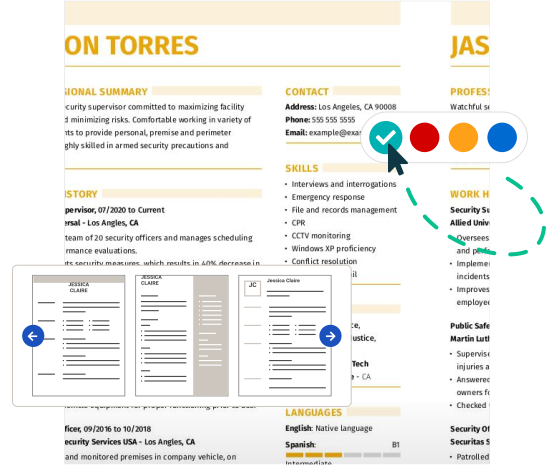
4. Use colors and design
Incorporating color and design elements into your resume can significantly capture attention and convey professionalism. A well-structured resume not only showcases your qualifications but also reflects your personal brand.
Begin by exploring various pre-made resume templates to find one that resonates with how you want to present your information. The combination resume format prominently features your skills alongside work experience, making it easier for potential employers to see what you offer.
Next, focus on selecting a professional color scheme. Opt for colors like deep blue or forest green that convey trust and competence. These tones can be applied subtly throughout the document, particularly in headings or section dividers.
It's best to avoid overly bright colors that may detract from readability. Steer clear of any hues associated with competitors or those that might evoke negative connotations. Aim for colors that improve clarity and professionalism, ensuring the content remains the focal point of your resume.
By thoughtfully applying these design principles, you can create a compelling visual narrative that highlights your strengths in the sciences field.
As a creative professional, your resume is an opportunity to showcase not just your experience but also your unique design sensibility. Using bold colors and innovative layouts can effectively reflect your artistic style while still maintaining professionalism.
Choose a color scheme that aligns with your personal brand, ensuring it improves rather than distracts from the content. For instance, a tech startup may appreciate vibrant, energetic designs, while a nonprofit organization might favor softer shades that convey trust and compassion. Always tailor your design choices to fit the company's culture, striking a balance between creativity and appropriateness for maximum impact.
5. Keep your resume length to 1-2 pages
Resumes should typically be one page long. This length ensures clarity and keeps the reader’s attention, as hiring managers often have limited time to review each application. Focus on including only your most relevant experiences and skills that align with the job you want. Avoid clutter by steering clear of repetitive details across different roles.
In some scenarios, such as for senior positions or specialized academic roles, extending your resume to two pages may be necessary. For example, a seasoned professional applying for a director-level position might need additional space to highlight significant achievements and leadership contributions. Alternatively, if you’re in academia or research, consider using a CV instead of a traditional resume, as it allows for more comprehensive detailing of your qualifications and publications.
FAQ
Do I need to include a cover letter with my resume?
Even when a cover letter isn't required, writing a cover letter can significantly improve your job application. It allows you to highlight your unique qualifications and personality, helping you stand out in a sea of job seekers. This additional context can be important for hiring managers seeking the right fit.
If you're unsure where to begin, explore our range of cover letter examples that cater to various industries and roles for inspiration. Once you're ready to craft your own, our Cover Letter Builder offers step-by-step assistance to simplify the process.
What is the best resume format?
Choosing the best resume format depends on your individual career situation. The three primary formats are chronological, functional, and combination, each catering to different needs of job seekers.
The chronological format is ideal for those with extensive work history as it emphasizes past roles. The functional format showcases skills and education, making it suitable for recent graduates or those changing careers. Finally, the combination format serves mid-career professionals well by mixing experience with skills, providing a comprehensive view that appeals to various employers.
How long should my sciences resume be?
For science professionals, a one-page resume is typically ideal, especially for those with less than a decade of experience. Hiring managers often sift through numerous resumes quickly, so a concise format helps your essential qualifications stand out.
Highlight your relevant education, research experience, and technical skills. Emphasize recent projects or internships that relate to the position you're targeting. Remove outdated techniques or excessive details about unrelated roles.
Consider a two-page resume if you're an experienced scientist with multiple publications, extensive research projects, or applying for senior roles such as lab director or principal investigator. In these cases, your additional accomplishments warrant the extra space to effectively convey your expertise.
Should I use a resume template or design my own?
For most science professionals, a professionally crafted resume template is recommended. These templates offer an ATS-friendly format that highlights your skills and experience effectively, making it easier for employers to identify key qualifications. They also simplify the resume creation process, allowing you to focus on content rather than design.
However, if you're engaged in scientific communication or have specific layout needs, designing your own resume can be beneficial. Ensure clarity and adherence to standard formats to improve readability and impact.
Should I use the same resume for every job?
Job seekers should definitely customize their resumes for each application. Using the same resume can lead to missed opportunities because different positions highlight various skills and experiences. Tailoring your resume allows you to align your qualifications with the job description, increasing your chances of catching an employer's eye.
Focus on including relevant keywords that match the job posting, as many companies use applicant tracking systems (ATS) to filter applicants. Highlight specific accomplishments that relate directly to the role, and adjust your summary to reflect how your background fits the company’s needs. Customization not only shows attention to detail but also demonstrates genuine interest in the position.
Build a custom resume in minutes with our professional templates and expert tips.
Natalia Merced
CPRW, Career WriterNatalia is a Certified Professional Resume Writer (CPRW) and member of the Professional Association of Resume Writers & Career Coaches and has worked in the career industry for more than two years providing comprehensive guidance on resume writing and job search strategies for individuals across diverse career paths. She holds a master's degree in counseling psychology and a bachelor's degree in public relations and advertising and is passionate about helping job seekers present their professional story effectively through well-crafted resumes and cover letters that demonstrate their value, skills, and experience to potential employers. Some of her work has been featured on JobHero's resume examples career center.
More Resources

By Natalia Merced | CPRW, Career Writer


By Gabriela Barcenas | CPRW, Career Writer

By Natalia Merced | CPRW, Career Writer
By Gabriela Barcenas | CPRW, Career Writer

By Natalia Merced | CPRW, Career Writer